
Simple Boiled Beetroot Recipe
Description
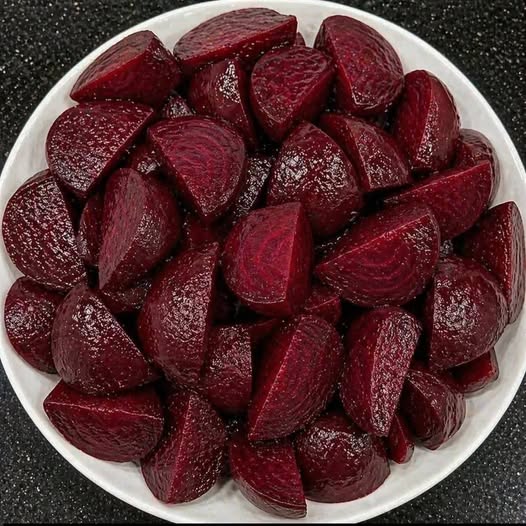
Simple Boiled Beetroot is an easy, nutritious, and naturally delicious side dish made with fresh beetroot cooked until tender. This recipe brings out the beetroot’s natural earthy sweetness while keeping its beautiful deep-red color and soft texture. Once boiled, the beetroot can be peeled, sliced, cubed, or cut into wedges, just like the pieces shown in the picture.
Beetroot is a versatile vegetable that can be enjoyed warm or chilled. You can serve it plain, season it with a little salt and black pepper, or add lemon juice and olive oil for extra flavor. It is perfect for everyday meals, salads, lunch plates, and healthy snacks.
The best part is that this recipe requires only a few basic ingredients and very little preparation. Boiling makes the beetroot tender without requiring complicated cooking techniques.
Preparation Time: 10 minutes
Cooking Time: 30–50 minutes
Total Time: 40–60 minutes
Servings: 4
Difficulty: Easy
Ingredients
-
4 medium fresh beetroots
-
Water, enough to cover the beetroot
-
½ teaspoon salt, optional
-
1 tablespoon lemon juice, optional
-
1 teaspoon olive oil, optional
-
A pinch of black pepper, optional
Ingredients Table
| Ingredient | Quantity |
|---|---|
| Fresh beetroot | 4 medium |
| Water | Enough to cover |
| Salt | ½ teaspoon, optional |
| Lemon juice | 1 tablespoon, optional |
| Olive oil | 1 teaspoon, optional |
| Black pepper | A pinch, optional |
Instructions
Step 1: Select Fresh Beetroot
Choose fresh, firm beetroot with smooth skins and a deep-red color. Medium-sized beetroot is ideal because it generally cooks more evenly than very large ones. Avoid vegetables that feel soft, shriveled, or damaged.
Step 2: Wash the Beetroot
Wash the beetroot thoroughly under running water. Use your hands or a vegetable brush to remove soil from the surface. Beetroot grows underground, so cleaning it carefully is important.
Trim the leaves if they are still attached, leaving approximately 1 inch of the stems. Avoid cutting too close to the root before boiling because this can allow some of the natural red color to escape into the cooking water.
Step 3: Prepare the Cooking Pot
Place the whole, unpeeled beetroot in a large saucepan. Add enough water to cover the vegetables completely.
If desired, add ½ teaspoon of salt. Salt is optional, and the beetroot will still cook perfectly without it.
Step 4: Bring the Water to a Boil
Place the saucepan over medium-high heat. Bring the water to a boil, then reduce the heat to medium or medium-low so the water continues to simmer gently.
Cover the pot partially with a lid. Avoid boiling too vigorously because a gentle simmer helps the beetroot cook evenly.
Step 5: Cook Until Tender
Allow the beetroot to simmer for approximately 30–50 minutes, depending on its size. Smaller beetroot may cook sooner, while larger ones may require additional time.
To check whether it is ready, carefully insert a fork or thin knife into the thickest part. It should slide in easily when the beetroot is tender.
If the center is still firm, continue cooking and check again after a few minutes.
Step 6: Drain and Cool
Once tender, turn off the heat. Carefully drain the hot water using a colander. Allow the beetroot to cool until it is comfortable to handle.
Do not handle freshly boiled beetroot with bare hands while it is very hot.
Step 7: Remove the Skin
When the beetroot has cooled enough, gently rub the skin with your fingers or use a small knife to peel it. The skin should come away easily after boiling.
You may want to wear kitchen gloves because beetroot juice can stain your hands.
Step 8: Cut Into Pieces
Place the peeled beetroot on a cutting board. Slice it into rounds, cubes, or large wedges. For a presentation similar to the picture, cut each beetroot into thick wedges or chunky pieces.
Step 9: Add Optional Seasoning
The boiled beetroot can be served plain, or you can add lemon juice, olive oil, salt, and black pepper. Gently toss the pieces until they are lightly coated.
Lemon juice gives the beetroot a refreshing taste, while olive oil adds richness. These additions are optional because plain boiled beetroot already has a naturally sweet, earthy flavor.
Step 10: Serve
Transfer the beetroot to a serving bowl. Serve warm as a side dish or refrigerate it for a refreshing chilled salad.
Tips for Perfect Boiled Beetroot
-
Choose similar-sized beetroot: Cooking several beetroot of similar size helps them become tender at approximately the same time.
-
Keep the skins on: Boiling beetroot whole and unpeeled helps preserve its natural color and moisture.
-
Do not cut before boiling: Leaving the beetroot whole helps prevent too much color from escaping into the water.
-
Use enough water: Make sure the beetroot remains covered during cooking. Add a little hot water if the level becomes too low.
-
Check with a fork: Cooking times vary, so always check tenderness rather than relying only on the clock.
-
Cool before peeling: Allowing the beetroot to cool slightly makes it easier and safer to handle.
-
Wear gloves: Beetroot juice can stain your fingers and cutting board.
-
Use a separate cutting board: A board that can be washed easily is helpful when preparing beetroot.
-
Avoid overcooking: Cook until tender but not falling apart. This helps the pieces retain their shape.
-
Season just before serving: Adding lemon juice and olive oil shortly before serving keeps the flavor fresh.
Recipe Notes
-
You can use small, medium, or large beetroot. Adjust cooking time according to size.
-
Fresh beetroot does not need to be peeled before boiling.
-
If you prefer a softer texture, cook it a little longer until completely tender.
-
For a simple version, you only need beetroot and water. Salt and other seasonings are optional.
-
The cooking water will become red or purple. This is normal because beetroot releases natural pigments.
-
Store cooked beetroot in an airtight container in the refrigerator for approximately 3–5 days.
Do not leave cooked beetroot at room temperature for more than 2 hours.
Serving Suggestions
Simple Boiled Beetroot can be enjoyed in many different ways:
-
Serve it alongside grilled chicken, fish, or roasted meat.
-
Add it to a fresh salad with cucumber, lettuce, and carrots.
-
Combine it with sliced onions and lemon juice for a refreshing side dish.
-
Serve with plain yogurt or a yogurt-based dressing.
-
Add cubes to a vegetable bowl with chickpeas and leafy greens.
-
Enjoy chilled beetroot as a light afternoon snack.
Serve it with rice, lentils, or other homemade meals.
For a simple presentation, arrange the beetroot wedges in a bowl and drizzle a little lemon juice and olive oil over them.
Nutritional Information
Estimated values per serving, assuming four servings and using beetroot without optional oil or seasoning.
-
Calories: 35–45
-
Carbohydrates: 8–10 g
-
Protein: 1–2 g
-
Fat: Less than 1 g
-
Fiber: 2–3 g
-
Natural Sugars: 6–7 g
Sodium: Varies depending on added salt
Health Benefits
1. Contains Dietary Fiber
Beetroot provides dietary fiber, which supports digestive health and helps maintain regular bowel movements.
2. Provides Folate
Beetroot contains folate, a B vitamin that supports normal cell growth and the formation of healthy red blood cells.
3. Contains Potassium
Potassium helps support normal muscle function, nerve signaling, and fluid balance.
4. Provides Antioxidant Compounds
The deep-red color of beetroot comes from natural plant pigments called betalains. These compounds have antioxidant properties.
5. Supports a Balanced Diet
Beetroot is a vegetable that can add color, flavor, fiber, and variety to everyday meals.
6. Contains Natural Nitrates
Beetroot contains dietary nitrates, which the body can convert into nitric oxide. This may help support healthy blood vessel function and circulation.
A Note for People Managing Blood Sugar
Beetroot contains natural carbohydrates and sugars, so it can affect blood glucose. It can still fit into many balanced eating plans, but portion size matters. Pairing a moderate serving with protein and non-starchy vegetables may help create a more balanced meal. Check your individual blood glucose response and follow your healthcare professional’s dietary guidance.
Q&A
1. How long does beetroot take to boil?
Medium beetroot generally takes 30–50 minutes. Smaller pieces may cook faster, while larger whole beetroot may take longer.
2. Should I peel beetroot before boiling?
No. It is best to boil beetroot with the skin on. The skin helps protect its color and moisture during cooking.
3. How do I know when beetroot is fully cooked?
Insert a fork or thin knife into the thickest part. If it slides in easily, the beetroot is tender and ready.
4. Why does beetroot turn the cooking water red?
Beetroot contains natural red pigments called betalains. Some of these pigments dissolve into the cooking water, which is completely normal.
5. Can I eat boiled beetroot every day?
Beetroot can be included regularly in a varied diet. Enjoy reasonable portions and include other vegetables for a wider range of nutrients.
6. Can I boil beetroot without salt?
Yes. Salt is optional. Plain boiled beetroot has its own natural flavor and sweetness.
7. Can I store boiled beetroot in the refrigerator?
Yes. Keep peeled or unpeeled cooked beetroot in an airtight container and refrigerate for approximately 3–5 days.
8. Can I freeze cooked beetroot?
Yes. Cool it completely, cut it into portions, and place it in a freezer-safe container. It can generally be frozen for several months, although its texture may soften after thawing.
9. Is boiled beetroot good for weight management?
Plain boiled beetroot is relatively low in calories and provides fiber. It can be included in a balanced eating plan, but no single food causes weight loss by itself.
10. Is boiled beetroot suitable for people with diabetes?
It can be included in a diabetes-conscious meal plan, but it contains carbohydrates and natural sugars. Measure your portion and account for it in your overall carbohydrate intake.
11. Can I eat boiled beetroot cold?
Absolutely. Chilled boiled beetroot is delicious in salads and can be seasoned with lemon juice, herbs, and a little olive oil.
12. Why is my boiled beetroot still hard?
It may need more cooking time, especially if the beetroot is large. Continue simmering and test it again with a fork.
Conclusion
Simple Boiled Beetroot is an easy, colorful, and nutritious recipe that requires only a few basic ingredients. Boiling the beetroot whole helps preserve its natural flavor and beautiful deep-red color, while gentle cooking makes it soft and tender. Once peeled and cut into wedges, it is ready to enjoy as a warm side dish, chilled salad, or healthy addition to everyday meals.
With its natural sweetness, attractive color, and versatility, boiled beetroot is a wonderful way to add more vegetables to your table. Serve it plain or with a little lemon juice and olive oil for a simple dish that is both delicious and easy to prepare.