
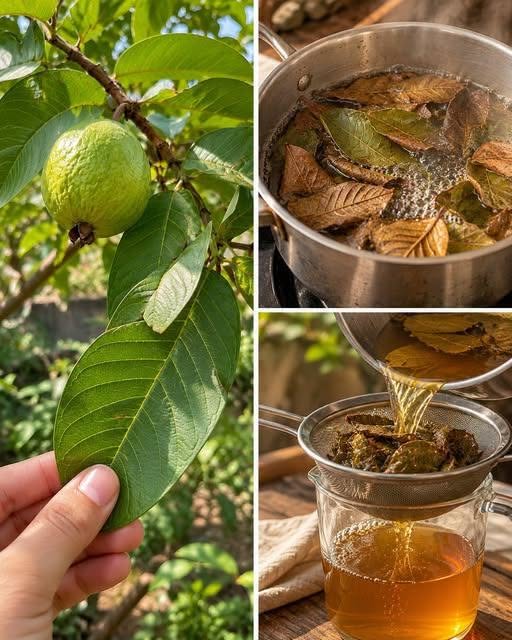
Guava Leaf Tea Recipe
Introduction
Guava leaf tea is a traditional herbal drink made from the fresh or dried leaves of the guava plant. Guava is a tropical fruit that grows in many countries, including Pakistan, India, and other parts of Asia. The leaves are commonly used in traditional home remedies and herbal preparations. Guava leaf tea has a mild, earthy taste and can be enjoyed warm or cold.
This tea is easy to prepare at home using only guava leaves and water. You can also add lemon, ginger, or honey to improve its taste. Guava leaves contain natural plant compounds, including polyphenols and flavonoids, which are being studied for their potential health effects. However, guava leaf tea should be enjoyed as a beverage and not used as a replacement for medical treatment.
Recipe Information
Preparation time: 5 minutes
Cooking time: 10–15 minutes
Total time: 15–20 minutes
Servings: 2 cups
Difficulty: Easy
Recipe type: Herbal tea
Main ingredients: Guava leaves and water
Ingredients
To prepare guava leaf tea, you will need the following ingredients:
-
Four to six fresh guava leaves.
-
Two cups of clean drinking water.
-
One teaspoon of honey, optional.
-
A few drops of lemon juice, optional.
-
A small piece of fresh ginger, optional.
Use clean, healthy guava leaves that have not been exposed to pesticides or other harmful chemicals. You can also use dried guava leaves if fresh leaves are not available.
Instructions
Step 1: Wash the guava leaves.
Take four to six fresh guava leaves and wash them thoroughly under running water. Remove any dirt, dust, or damaged parts. Clean leaves are important for preparing a safe herbal drink.
Step 2: Boil the water.
Pour two cups of water into a small saucepan and place it on the stove. Bring the water to a boil over medium heat.
Step 3: Add the leaves.
Tear the guava leaves into smaller pieces or gently crush them with your hands. Add the leaves to the boiling water. This helps release their natural flavor and plant compounds.
Step 4: Simmer the tea.
Reduce the heat and allow the leaves to simmer for 10–15 minutes. The water may gradually turn light brown or golden amber. Avoid boiling the mixture for too long because the tea may become bitter.
Step 5: Strain the tea.
Turn off the heat and allow the tea to cool slightly. Pour it through a fine strainer into a clean cup or teapot. Remove all the leaves before drinking.
Step 6: Add flavor.
If you prefer a sweeter taste, add a small amount of honey. You can also add a few drops of lemon juice or a small piece of ginger. These ingredients are optional.
Step 7: Serve and enjoy.
Serve the tea warm. You can also allow it to cool and drink it later. Freshly prepared tea generally offers the best flavor.
Recipe Notes
Fresh guava leaves are a convenient choice, but dried leaves can also be used. Start with a small quantity of dried leaves because their flavor may be stronger.
The taste of guava leaf tea is earthy and slightly bitter. If you prefer a mild flavor, use fewer leaves or simmer them for a shorter time.
Always use leaves that have been correctly identified as guava leaves. Avoid leaves from plants that have been sprayed with pesticides.
If you have leftover tea, store it in a clean, covered container in the refrigerator and use it within 24 hours. Discard it if its smell, color, or appearance changes unexpectedly.
Tips for Making the Best Guava Leaf Tea
Choose fresh, green, healthy leaves whenever possible. Avoid leaves that are moldy, heavily damaged, or contaminated.
Wash the leaves carefully before cooking them. Do not use leaves collected from roadsides or areas where chemical sprays may have been used.
Use clean drinking water for the best results. Simmer the leaves gently instead of boiling them vigorously for a long time.
Do not add too much honey or sugar if you want to keep the drink low in calories. You can enjoy guava leaf tea without any sweetener.
Start with a mild infusion rather than a very concentrated preparation. Stronger tea is not necessarily more beneficial, and the safest amount for regular medicinal use has not been established.
Potential Benefits of Guava Leaf Tea
Guava leaves contain plant compounds such as polyphenols and flavonoids. Researchers are studying these substances for their possible effects on health. However, evidence about the benefits of homemade guava leaf tea remains limited.
One possible benefit is antioxidant activity. Some compounds found in guava leaves show antioxidant properties in laboratory studies. Antioxidants help protect cells from damage caused by unstable molecules, although the benefits of drinking the tea specifically are not fully understood.
Another advantage is that plain guava leaf tea is naturally caffeine-free. It can be a suitable alternative for people who want to reduce their caffeine consumption.
Some small human studies involving guava leaf preparations have suggested that they may influence blood sugar levels after meals. However, homemade tea is not a proven treatment for diabetes. People who take diabetes medication should consult a healthcare professional before drinking it regularly because blood sugar levels may be affected.
Guava leaf tea can also provide a warm and soothing drink. Drinking warm fluids can be comforting, especially during cold weather. However, claims that the tea cures digestive diseases, infections, or other medical conditions are not supported by sufficient evidence.
Guava leaf tea is not a proven weight-loss remedy. Replacing sugary drinks with plain herbal tea may reduce calorie intake, but the tea itself has not been shown to cause significant fat loss.
Nutritional Information
The following values are approximate for one cup of plain guava leaf tea prepared with water and without sweeteners.
Calories: 0–5
Carbohydrates: 0–1 gram
Protein: Approximately 0 grams
Fat: Approximately 0 grams
Sugar: Approximately 0 grams
Caffeine: 0 milligrams
These figures are estimates because the nutritional content of the finished tea depends on the leaves, their quantity, and the preparation method. Adding honey or sugar increases the calorie and carbohydrate content.
Important Safety Precautions
Although guava leaf tea is traditionally used in many cultures, there is limited information about the safety of drinking concentrated preparations regularly over long periods.
People with diabetes or those taking medication that lowers blood sugar should seek medical advice before using guava leaf tea medicinally.
Pregnant and breastfeeding women should avoid concentrated or medicinal preparations unless their healthcare professional recommends them because safety information is limited.
Stop drinking the tea if you experience an allergic reaction, nausea, stomach discomfort, or other unexpected symptoms.
Do not use guava leaf tea to replace prescribed medicines. If you have persistent diarrhea, severe dehydration, blood in your stool, or another serious symptom, seek medical care.
Frequently Asked Questions
1. Can I drink guava leaf tea every day?
There is not enough evidence to establish a safe daily dose for long-term use. Occasional consumption of a mild infusion may be reasonable for many healthy adults, but regular medicinal use should be discussed with a healthcare professional.
2. Is guava leaf tea good for weight loss?
Plain guava leaf tea contains very few calories. It may help reduce calorie intake if it replaces sugary beverages, but there is insufficient evidence that it directly burns body fat.
3. Can guava leaf tea lower blood sugar?
Some research suggests that guava leaf preparations may influence blood glucose levels. However, the tea is not a replacement for diabetes medication or medical advice.
4. Can I drink guava leaf tea on an empty stomach?
There is no strong evidence that drinking it on an empty stomach provides additional benefits. If it causes stomach discomfort, drink it with food or avoid it.
5. Can I use dried guava leaves?
Yes. Dried guava leaves can be used when fresh leaves are unavailable. Start with a small quantity and adjust the flavor as needed.
6. Can I add honey and lemon?
Yes. Honey adds sweetness, while lemon provides a refreshing citrus flavor. If you need to control your blood sugar, consider drinking the tea without honey or sugar.
7. How long should I boil guava leaves?
Simmer fresh guava leaves for approximately 10–15 minutes. Strain the liquid before serving.