
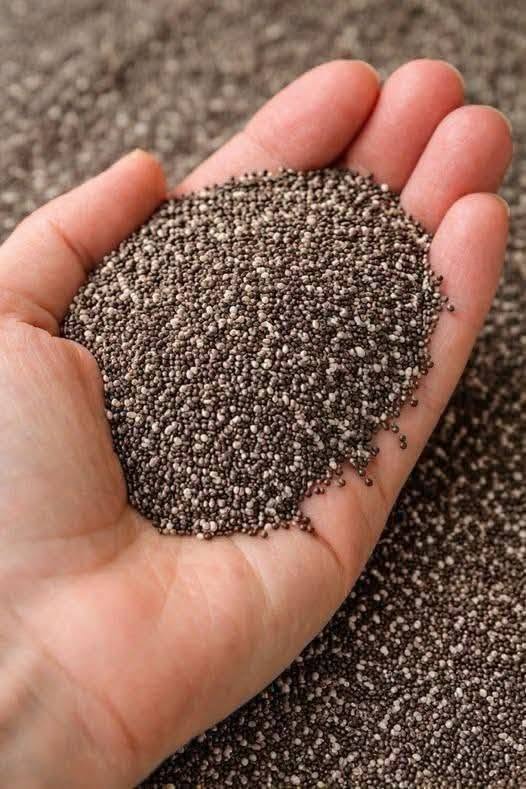
Doctors Explain What Happens When You Eat Chia Seeds – Amazing Benefits, Possible Side Effects & Easy Chia Seed Drink Recipe
Introduction
Chia seeds are tiny nutritional powerhouses packed with dietary fiber, plant-based omega-3 fatty acids, protein, antioxidants, and essential minerals. They are easy to add to everyday meals and can be enjoyed in drinks, smoothies, oatmeal, yogurt, and puddings.
Eating chia seeds as part of a balanced diet may support digestion, help you feel fuller for longer, and contribute to heart and bone health. However, consuming too many or eating them without enough liquid may cause digestive discomfort.
Let’s explore their benefits, possible side effects, and a simple chia seed drink recipe.
What Happens When You Eat Chia Seeds?
When chia seeds come into contact with liquid, they absorb water and develop a gel-like coating. This happens because they contain soluble fiber.
After eating chia seeds, your body may experience several benefits:
-
Better digestion: Their fiber helps support regular bowel movements.
-
Increased fullness: Fiber absorbs liquid and may help you feel satisfied for longer.
-
Blood sugar support: Fiber can slow digestion and the absorption of carbohydrates.
-
Healthy fat intake: Chia seeds provide alpha-linolenic acid (ALA), a plant-based omega-3 fatty acid.
-
Essential nutrients: They provide calcium, magnesium, phosphorus, and other important minerals.
Amazing Benefits of Chia Seeds
1. Supports Digestive Health
Chia seeds are rich in dietary fiber, which helps maintain regular bowel movements and supports digestive health.
Their soluble fiber forms a gel when mixed with water, while insoluble fiber adds bulk to stool. Together, these fibers can help support normal digestion.
2. May Support Weight Management
Chia seeds absorb liquid and provide fiber, which may help you feel fuller for longer.
Adding them to breakfast, yogurt, or smoothies can make meals more satisfying. However, chia seeds do not directly burn fat or specifically target belly fat.
3. Provides Plant-Based Omega-3 Fatty Acids
Chia seeds contain alpha-linolenic acid (ALA), an essential plant-based omega-3 fatty acid.
Omega-3 fats contribute to normal cell function and support cardiovascular health as part of a balanced diet.
4. Supports Heart Health
Chia seeds contain fiber and unsaturated fats that can contribute to a heart-friendly eating pattern.
Soluble fiber may help support healthy cholesterol levels when consumed regularly as part of a nutritious diet.
5. Helps Support Healthy Blood Sugar Levels
The fiber in chia seeds may slow carbohydrate digestion and help moderate blood sugar responses when included in balanced meals.
People with diabetes should still monitor their blood sugar and consider total carbohydrate intake. Chia seeds are not a replacement for prescribed medication.
6. Supports Strong Bones
Chia seeds provide calcium, magnesium, and phosphorus. These minerals help maintain healthy bones and teeth.
Including chia seeds alongside other mineral-rich foods can contribute to daily nutritional needs.
7. Contains Antioxidants
Chia seeds contain natural antioxidant compounds that help protect their fats from oxidation.
A varied diet containing fruits, vegetables, nuts, seeds, and whole grains provides a range of beneficial antioxidant compounds.
8. Provides Plant-Based Protein
Chia seeds contain plant-based protein that contributes to normal muscle maintenance and overall body function.
They can be added to oatmeal, smoothies, yogurt, and other meals to increase their nutritional value.
Possible Side Effects of Chia Seeds
Although chia seeds are nutritious, eating too much or preparing them incorrectly may cause unwanted effects.
1. Bloating and Gas
Chia seeds contain a considerable amount of fiber. Suddenly increasing fiber intake may cause bloating, gas, or stomach discomfort.
Start with a small serving and increase gradually.
2. Constipation
Fiber needs sufficient fluid to work properly. Eating large amounts of chia seeds without drinking enough water may worsen constipation.
Always consume chia seeds with adequate liquid.
3. Swallowing Difficulties
Dry chia seeds absorb liquid and expand. Swallowing a spoonful of dry seeds may cause them to swell in the esophagus and potentially create a blockage.
Always soak chia seeds or mix them thoroughly into moist food before eating. People with swallowing difficulties should seek medical advice before consuming them.
4. Allergic Reactions
Some people may experience an allergic reaction to chia seeds.
Stop eating them if you notice itching, swelling, or hives. Seek emergency medical care if you experience breathing difficulties or throat swelling.
5. Possible Blood Sugar or Blood Pressure Changes
Chia seeds may contribute to changes in blood sugar and blood pressure as part of an overall dietary pattern.
People taking medication for diabetes or high blood pressure should consult their healthcare professional before making significant dietary changes.
How Many Chia Seeds Should You Eat Daily?
There is no official daily requirement for chia seeds.
A practical serving for most adults is:
-
Start with 1 teaspoon daily.
-
Gradually increase to 1 tablespoon.
-
Up to 2 tablespoons daily may suit people who tolerate the fiber well.
-
Drink sufficient water throughout the day.
Two tablespoons contain approximately 10 grams of dietary fiber, although nutritional values vary.
Moderation is important because eating more does not necessarily provide additional benefits.
Easy Chia Seed Drink Recipe
Preparation Time: 5 minutes
Soaking Time: 20–30 minutes
Total Time: 25–35 minutes
Servings: 1 glass
Ingredients
-
1 tablespoon chia seeds
-
1 cup (240 ml) drinking water
-
1 tablespoon fresh lemon juice
-
½ teaspoon honey (optional)
-
2–3 fresh mint leaves (optional)
-
1–2 lemon slices
-
Ice cubes (optional)
Instructions
-
Add chia seeds to a glass or small jar.
-
Pour in the drinking water and stir thoroughly.
-
Let the mixture sit for 5 minutes.
-
Stir again to prevent the seeds from sticking together.
-
Allow the seeds to soak for another 20–25 minutes until they develop a gel-like texture.
-
Add fresh lemon juice and honey if desired.
-
Stir well to combine all the ingredients.
-
Add mint leaves, lemon slices, or ice cubes.
-
Serve once the chia seeds are fully hydrated.
Recipe Tips
-
Always soak chia seeds before drinking.
-
Stir twice during soaking to prevent clumping.
-
Adjust lemon juice according to your taste.
-
Skip honey for a drink without added sugar.
-
Prepare a fresh serving whenever possible.
Other Ways to Enjoy Chia Seeds
Chia Seed Pudding
Mix chia seeds with milk and refrigerate until thick. Add fresh strawberries, blueberries, or nuts before serving.
Chia Seed Smoothie
Blend soaked chia seeds with banana, berries, milk, or yogurt for a nutritious smoothie.
Chia Seed Oatmeal
Add a tablespoon of chia seeds to cooked oatmeal and top with fresh fruit.
Chia Seed Yogurt Bowl
Mix chia seeds into plain Greek yogurt and add berries, nuts, or cinnamon.
Important Tips for Eating Chia Seeds
-
Choose plain, unsweetened chia seeds.
-
Store them in an airtight container in a cool, dry place.
-
Introduce fiber gradually into your diet.
-
Drink enough water throughout the day.
-
Combine chia seeds with a variety of nutritious foods.
-
Avoid using chia seed drinks as meal replacements.
-
Consult a healthcare professional if you have swallowing difficulties or ongoing digestive problems.
Frequently Asked Questions
1. Can I drink chia seed water every day?
Many people can enjoy a moderate serving daily. Start with a small amount, soak the seeds properly, and maintain adequate hydration.
2. Should chia seeds be soaked overnight?
No. Soaking for approximately 20–30 minutes is generally enough for a drink. You can also refrigerate them overnight when preparing chia pudding.
3. Can chia seeds help reduce belly fat?
Chia seeds do not specifically burn belly fat. Their fiber may help increase fullness and support an overall balanced eating plan.
4. Are chia seeds suitable for people with diabetes?
They can fit into many diabetes-friendly eating patterns because they provide fiber and contain relatively few digestible carbohydrates. Portion size and total carbohydrate intake still matter.
5. Can I eat chia seeds on an empty stomach?
Most people can enjoy properly soaked chia seeds at different times of the day. If they cause discomfort, try a smaller serving with food.
6. Are black and white chia seeds different?
Both varieties have very similar nutritional profiles. Choose good-quality seeds and store them properly.
7. Can chia seeds cause constipation?
They may contribute to constipation if eaten in large amounts without sufficient fluids. Increase fiber gradually and stay hydrated.
8. How long does chia seed water last?
For the best freshness, drink it shortly after preparation. If refrigerated in a covered container, consume it within 24 hours.
Approximate Nutritional Information
For one serving of chia seed water made with 1 tablespoon chia seeds, lemon juice, and no honey:
-
Calories: 65–70 kcal
-
Protein: 2 g
-
Carbohydrates: 6 g
-
Dietary Fiber: 5 g
-
Fat: 4 g
-
Omega-3 ALA: Approximately 2 g
-
Sugar: Less than 1 g
Nutritional values are estimates and may vary depending on ingredients and serving sizes.
Final Thoughts
Chia seeds are a simple and nutritious addition to a balanced diet. Their fiber, plant-based omega-3 fats, protein, and minerals make them a useful ingredient for everyday meals and drinks.
The most important things are moderation and proper preparation. Always soak chia seeds before drinking them, increase your fiber intake gradually, and drink enough water.
Enjoy this refreshing lemon chia seed drink as part of a healthy lifestyle. Chia seeds can support good nutrition, but they are not a cure for medical conditions or a shortcut to weight loss.