
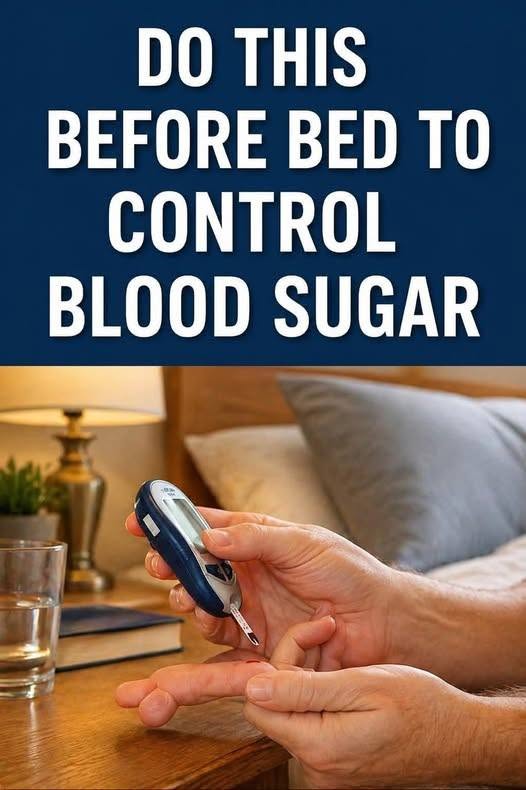
What To Do Before Bed to Help Control Blood Sugar
Managing blood sugar is important throughout the day, but what you do before going to bed can also make a meaningful difference. Overnight, your body continues working while you sleep. Your liver releases glucose, hormones fluctuate, and your body uses energy to maintain essential functions. These natural processes can affect your blood sugar levels by the time you wake up.
For people living with diabetes, prediabetes, or insulin resistance, establishing healthy bedtime habits may help support more stable blood sugar levels overnight. The good news is that a few simple changes to your evening routine can make a positive difference.
Here are some practical things you can do before bed to support healthy blood sugar levels.
1. Take a Short Walk After Dinner
One of the simplest ways to support healthy blood sugar is to take a gentle walk after your evening meal. Physical activity helps your muscles use glucose from the bloodstream for energy.
Even a 10–15-minute walk after dinner may help reduce the rise in blood sugar that happens after eating.
You do not need an intense workout. Walking around your neighborhood, moving around your home, or doing some gentle household activities can be beneficial.
Try to make this a regular habit. Consistency is more important than intensity. However, avoid strenuous exercise close to bedtime if it makes you feel overly energized or interferes with your sleep.
2. Avoid Heavy Meals Before Bed
Eating a large meal immediately before sleeping can make blood sugar management more challenging.
Meals containing large amounts of refined carbohydrates, sugary foods, and unhealthy fats may contribute to blood sugar fluctuations. Large portions can also make digestion uncomfortable and disturb sleep.
Try to finish dinner two to three hours before bedtime when possible.
Choose balanced meals that include:
- Lean protein, such as chicken, fish, eggs, or beans.
- Fiber-rich vegetables, such as broccoli, spinach, and carrots.
- Healthy fats, such as nuts, seeds, and olive oil.
- Moderate portions of whole grains, such as oats or brown rice.
A balanced dinner provides nutrients while helping you avoid excessive carbohydrate intake.
3. Choose a Healthy Bedtime Snack When Needed
Going to bed hungry is not necessary for everyone, but some people may benefit from a small, balanced snack.
This can be particularly relevant for people whose diabetes medication or insulin increases their risk of overnight low blood sugar. However, eating a snack every night is not required to control blood sugar.
If you need something before bed, consider options such as:
- A small handful of unsalted almonds.
- Plain, unsweetened Greek yogurt.
- A boiled egg.
- A small portion of cottage cheese.
- A few whole-grain crackers with peanut butter.
Avoid sugary cereals, biscuits, sweets, and sweetened drinks.
Remember that the best snack depends on your individual blood sugar readings, medication, activity level, and nutritional needs.
4. Drink Enough Water
Hydration is another important part of healthy blood sugar management.
When your body does not receive enough fluids, dehydration can contribute to higher blood glucose concentrations. Drinking water throughout the day helps support normal body functions.
Before bed, you can have a small glass of plain water if you are thirsty.
Avoid sugary beverages, packaged juices, sweetened tea, and soft drinks. These can add unnecessary sugar to your diet.
You do not need to drink excessive amounts of water at night. Too much fluid immediately before sleeping may cause frequent bathroom visits and interrupt your sleep.
5. Avoid Late-Night Sugary Foods
Late-night cravings can make blood sugar management more difficult, particularly when they involve foods high in added sugar.
Cookies, cakes, chocolate bars, ice cream, sweetened drinks, and other desserts can cause blood glucose levels to rise.
Instead of reaching for sugary snacks, try healthier alternatives such as a small serving of nuts, plain yogurt, or fresh fruit in an appropriate portion.
Whole fruit contains fiber and nutrients, making it a better choice than fruit juice. However, portion sizes still matter, especially for people monitoring carbohydrate intake.
Developing healthier evening eating habits can help you maintain better overall glucose control.
6. Practice Relaxation to Reduce Stress
Stress can influence blood sugar levels.
When you experience stress, your body releases hormones such as cortisol and adrenaline. These hormones can cause the liver to release more glucose into the bloodstream.
If you regularly go to bed feeling anxious or stressed, your sleep quality may also suffer.
Consider spending 10 minutes relaxing before bedtime.
You can try:
- Deep breathing exercises.
- Gentle stretching.
- Meditation.
- Reading a relaxing book.
- Listening to calming music.
These activities may help reduce stress and prepare your body for restful sleep.
Managing stress does not replace diabetes treatment, but it can be an important part of a healthy lifestyle.
7. Get Seven to Nine Hours of Quality Sleep
Sleep plays an important role in metabolic health.
Poor sleep and irregular sleeping schedules are associated with reduced insulin sensitivity and difficulty managing blood glucose.
Adults generally need seven to nine hours of sleep each night.
To improve your sleep quality:
- Go to bed at approximately the same time every night.
- Avoid caffeine late in the afternoon and evening.
- Reduce screen exposure before sleeping.
- Keep your bedroom cool, dark, and comfortable.
- Avoid heavy meals immediately before bedtime.
Good sleep habits can support better overall health and make blood sugar management easier.
8. Check Your Blood Sugar Before Bed When Necessary
If you have diabetes, checking your blood glucose before bedtime may help you understand how your body responds to meals, physical activity, and medication.
Your healthcare provider may recommend bedtime monitoring depending on your diabetes type, treatment plan, and risk of overnight hypoglycemia.
Keep a record of your readings and look for patterns.
For example, consistently elevated morning glucose levels may be associated with several factors, including late meals, insufficient medication, or the natural early-morning rise in glucose known as the dawn phenomenon.
Likewise, overnight low blood sugar can occur in people using certain diabetes medications.
If your readings are frequently outside your recommended range, discuss them with your healthcare professional. Do not independently change your insulin or medication doses.
9. Take Your Medication as Prescribed
Your diabetes medication schedule is an essential part of managing blood sugar.
Some medications need to be taken with meals, while others may be prescribed for particular times of the day.
Follow your healthcare provider’s instructions carefully.
Before going to bed, make sure you have followed your prescribed medication schedule. Do not skip doses, double doses, or change medication timing without medical advice.
If you frequently experience low blood sugar during the night, speak with your healthcare professional. Your treatment plan may need to be reviewed.
10. Create a Consistent Bedtime Routine
A consistent evening routine can help you develop healthier habits over time.
Try to follow a simple schedule:
- Finish dinner at a regular time.
- Take a gentle walk after eating.
- Avoid sugary late-night snacks.
- Drink water when thirsty.
- Prepare for the next day.
- Check blood sugar if recommended.
- Take prescribed medication.
- Relax and aim for seven to nine hours of sleep.
Small, repeated habits can have a meaningful impact on your long-term health.
Important Warning: Recognize Overnight Low Blood Sugar
People taking insulin or certain diabetes medications may experience hypoglycemia (low blood sugar) while sleeping.
Possible warning signs include sweating, nightmares, restless sleep, morning headaches, unusual tiredness, and waking up feeling confused.
A blood glucose reading below 70 mg/dL is generally considered low.
If your blood sugar is low, follow your healthcare provider’s hypoglycemia treatment plan. For many conscious adults, this involves taking 15 grams of fast-acting carbohydrates, checking glucose again after 15 minutes, and repeating treatment if it remains low.
Severe hypoglycemia can cause seizures or unconsciousness and requires emergency assistance. Never give food or drink to someone who is unconscious.
Final Thoughts
Controlling blood sugar is not just about what you eat during the day. Your evening habits, physical activity, hydration, stress levels, and sleep quality can also influence your overall glucose management.
Taking a short walk after dinner, avoiding excessive late-night sugar, choosing balanced meals, staying hydrated, getting enough sleep, and following your prescribed medication schedule are practical steps that can support healthier blood sugar levels.
Remember that there is no single bedtime trick that guarantees normal blood sugar overnight. Every person’s body is different, and people with diabetes may need individualized treatment and monitoring.
Start with small, sustainable changes and pay attention to how your body responds. Combined with regular medical care, healthy bedtime habits can become an important part of maintaining better blood sugar control and supporting your long-term well-being.