
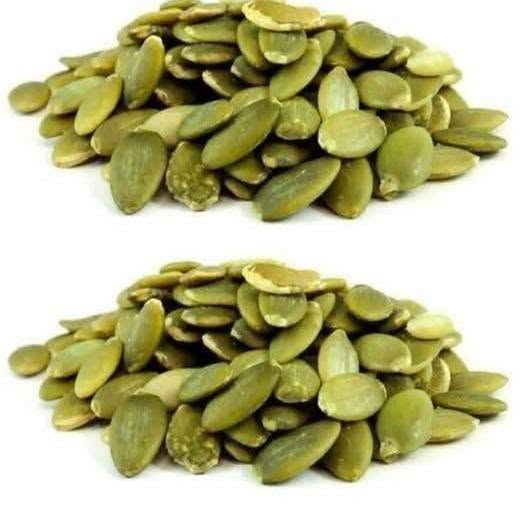
Pumpkin Seeds Benefits for Your Body
Description
Pumpkin seeds are small, crunchy, and full of valuable nutrients that can support a healthy, balanced diet. Also known as pepitas, these seeds have a mild, nutty flavor and can be enjoyed raw, roasted, or added to everyday meals. They contain plant-based protein, healthy fats, magnesium, zinc, iron, and other nutrients that help the body perform important functions.
Roasted pumpkin seeds make a delicious snack and are easy to prepare at home with just a few simple ingredients. You can season them with a little olive oil, salt, garlic powder, or your favorite spices. They are also excellent sprinkled over oatmeal, yogurt, salads, soups, and roasted vegetables.
This recipe explains how to prepare simple roasted pumpkin seeds while exploring their nutritional value, potential benefits, serving ideas, and storage tips. Pumpkin seeds are not a miracle food or a treatment for disease, but they can be a useful addition to a varied eating pattern.
Recipe Information
-
Recipe Name: Healthy Roasted Pumpkin Seeds
-
Prep Time: 10 minutes
-
Cook Time: 10–20 minutes
-
Total Time: 20–30 minutes
-
Servings: Approximately 4
-
Course: Snack
-
Cuisine: General
-
Cooking Method: Oven roasting
-
Difficulty: Easy
Ingredients
-
2 cups raw pumpkin seeds, cleaned and dried
-
1 teaspoon olive oil, optional
-
¼ teaspoon salt, optional
-
¼ teaspoon garlic powder, optional
-
¼ teaspoon paprika, optional
-
A pinch of black pepper, optional
For a simple version, use only the pumpkin seeds and omit the oil and seasonings. If using seeds taken directly from a fresh pumpkin, remove as much stringy pulp as possible and rinse them thoroughly.
Instructions
Step 1: Clean the Pumpkin Seeds
If using fresh pumpkin seeds, remove them from the pumpkin and separate them from the stringy pulp. Place the seeds in a colander and rinse under cool running water.
Remove any remaining pieces of pulp, then drain well. Spread the seeds on a clean kitchen towel and pat them dry.
For the crispiest results, allow the seeds to air-dry for a little while before roasting. Excess moisture can make them take longer to become crunchy.
Step 2: Preheat the Oven
Preheat your oven to 175°C (350°F). Line a baking tray with parchment paper if desired.
Arrange the tray on a flat surface so the seeds can be spread in a single layer without overcrowding.
Step 3: Season the Seeds
Place the dried pumpkin seeds in a mixing bowl. Add the olive oil, salt, garlic powder, paprika, and black pepper if using.
Toss thoroughly until the seeds are evenly coated. You only need a small amount of oil to help the seasoning stick.
For a plain, unsalted version, skip the oil and seasonings.
Step 4: Arrange on the Baking Tray
Spread the seasoned seeds evenly across the prepared baking tray. Keep them in a single layer so they roast more consistently.
If you have a large quantity, use two trays rather than piling the seeds on top of one another.
Step 5: Roast Until Golden
Place the tray in the preheated oven and roast for approximately 10–20 minutes. Stir the seeds every 5 minutes to help them brown evenly.
Cooking time depends on seed size, moisture content, and whether the seeds still have their white outer shells. Watch carefully toward the end, as seeds can burn quickly.
The seeds are ready when they are lightly golden, fragrant, and crisp. Remove them from the oven as soon as they reach the desired texture.
Step 6: Cool and Serve
Allow the roasted pumpkin seeds to cool completely on the tray. They will become crunchier as they cool.
Taste one and adjust the seasoning if needed. Serve as a snack or sprinkle over your favorite dishes.
Notes
-
Use completely dry seeds: Removing excess moisture helps the seeds roast evenly.
-
Choose your texture: Seeds with their shells may take longer to roast than shelled pumpkin seeds.
-
Avoid excessive oil: Too much oil can make the seeds greasy rather than crisp.
-
Watch the oven: Seed sizes and ovens vary, so begin checking early.
-
Adjust the salt: Pumpkin seeds can be flavorful without much added salt.
-
Cool before storing: Warm seeds can create condensation inside a container, reducing their crispness.
-
Use food-safe storage containers: An airtight jar or container helps protect the seeds from moisture.
Helpful Tips
1. Dry the seeds thoroughly. If you have time, leave freshly cleaned seeds on a towel for several hours or overnight in the refrigerator before roasting.
2. Stir during roasting. Moving the seeds around the tray reduces uneven browning.
3. Try different flavors. Cinnamon can be used for a lightly sweet version, while cumin, smoked paprika, or chili powder creates a savory snack.
4. Make small batches. Freshly roasted seeds taste best when crisp. Making manageable batches helps prevent waste.
5. Use unsalted seeds when possible. This allows you to control the sodium content, especially if you are watching your salt intake.
6. Measure portions. Pumpkin seeds are nutrient-rich but energy-dense. A small handful can be a practical snack serving.
Servings and Serving Suggestions
This recipe makes approximately four servings, depending on the quantity eaten per person. A serving of around 1 ounce (28 grams) of shelled pumpkin seeds is a practical portion for many adults.
Enjoy roasted pumpkin seeds in these ways:
-
Sprinkle them over oatmeal or plain yogurt.
-
Add them to green salads for extra crunch.
-
Mix them with nuts and a small amount of dried fruit.
-
Scatter them over roasted carrots, squash, or potatoes.
-
Add them to homemade granola.
-
Use them as a topping for soups.
-
Enjoy a small handful between meals.
For a more balanced snack, pair pumpkin seeds with fresh fruit or plain yogurt.
Nutritional Information
The following estimates are for approximately 1 ounce (28 grams) of plain, shelled pumpkin seeds. The nutrition of the complete roasted recipe will vary according to the seed type, serving size, and seasonings.
-
Calories: 150–170
-
Protein: 8–9 grams
-
Total Fat: 13–14 grams
-
Carbohydrates: 3–5 grams
-
Fiber: Approximately 1–2 grams
-
Magnesium: Approximately 150–160 milligrams
-
Iron: Approximately 2–3 milligrams
-
Zinc: Approximately 2 milligrams
Pumpkin seeds contain unsaturated fats and several essential minerals. Adding oil or salt changes the nutritional values, so check product labels when precise information is important.
Potential Benefits of Pumpkin Seeds
1. Supports Normal Muscle Function
Pumpkin seeds provide magnesium, a mineral involved in normal muscle contraction, nerve signaling, and energy production. They also provide protein, which contributes to muscle maintenance and tissue repair.
2. Contributes to Heart-Healthy Eating
Pumpkin seeds contain unsaturated fats and magnesium. Including them in a balanced eating pattern may help support cardiovascular health, particularly when they replace snacks high in saturated fat or added sugar.
3. Supports Immune Function
Zinc and iron are essential nutrients that contribute to normal immune function. Pumpkin seeds can help provide these nutrients as part of a varied diet.
4. Provides Plant-Based Protein
Pumpkin seeds are a convenient source of plant-based protein. Protein helps maintain body tissues and can contribute to a satisfying snack.
5. Contributes to Digestive Health
Pumpkin seeds provide some fiber, although shelled seeds contain less fiber than many beans, whole grains, and vegetables. Eating a variety of fiber-containing foods is important for normal digestion.
6. Provides Antioxidant Compounds
Pumpkin seeds contain plant compounds with antioxidant activity. A diet rich in varied plant foods helps supply a broad range of nutrients and beneficial compounds.
7. Can Fit Into Weight Management Plans
The combination of protein and fat can make pumpkin seeds satisfying. However, they are calorie-dense, so portion size matters. They do not specifically burn belly fat or cause weight loss on their own.
These benefits reflect the nutrients pumpkin seeds provide; they should not be interpreted as proof that pumpkin seeds prevent or cure particular diseases.
Storage Instructions
Store completely cooled roasted pumpkin seeds in an airtight container in a cool, dry place. For the best flavor and texture, keep them away from heat, moisture, and direct sunlight.
For longer storage, refrigerate them in a sealed container or freeze them in a suitable freezer-safe bag or container. Discard seeds that develop an unusual odor, visible mold, or a rancid taste.
Frequently Asked Questions
1. Can I eat pumpkin seeds every day?
Most people can enjoy a moderate portion of pumpkin seeds daily as part of a balanced diet. A small handful is a reasonable starting point.
2. Are raw or roasted pumpkin seeds better?
Both can be nutritious. Roasting adds flavor and crunch, while raw seeds avoid extra oil and salt. Choose the version you enjoy and can include comfortably in your diet.
3. Are pumpkin seeds good for people with diabetes?
Plain pumpkin seeds are relatively low in carbohydrates and may fit into many diabetes meal plans. Portion size and individual nutritional needs still matter. They do not replace diabetes treatment or medication.
4. Can pumpkin seeds help with sleep?
Pumpkin seeds contain magnesium and tryptophan, but evidence that eating them directly improves sleep quality is limited.
5. How many pumpkin seeds should I eat daily?
Around 1 ounce (28 grams) of shelled seeds is a practical serving for many adults. Individual needs may differ.
6. Can I roast pumpkin seeds without oil?
Yes. Dry seeds can be roasted without oil. Stir them regularly and watch the cooking time to prevent burning.
7. Why are my roasted seeds not crunchy?
They may have contained too much moisture or may need a little more roasting. Return them to the oven briefly, checking frequently, and allow them to cool completely before judging the texture.
8. Are pumpkin seeds suitable for children?
They can be nutritious, but whole seeds may pose a choking hazard for young children. Choose an age-appropriate form and follow pediatric feeding guidance.
Conclusion
Roasted pumpkin seeds are an easy, crunchy snack that provides protein, unsaturated fats, magnesium, zinc, and iron. With just a few ingredients and a short roasting time, you can prepare them at home and customize the flavor to suit your preferences.
Enjoy pumpkin seeds in moderate portions, store them properly, and include them alongside vegetables, fruit, whole grains, and other nutritious foods. They can contribute to overall nutrition, but no single food can replace a balanced diet or appropriate medical care.