
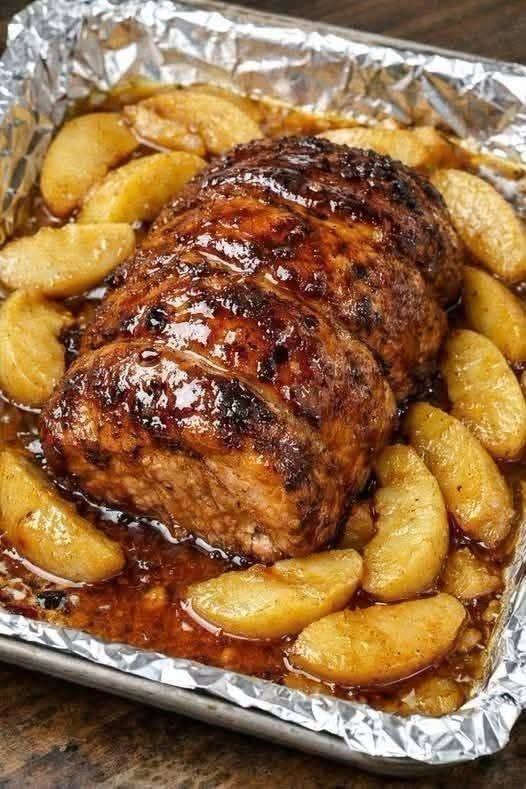
Juicy 4-Ingredient Slow-Roasted Beef with Potatoes
Tender, Juicy, Flavorful, and Comforting Oven-Roasted Beef
This juicy 4-ingredient slow-roasted beef with potatoes is the perfect comfort-food dinner for busy families, cozy weekends, or special gatherings. Made with a tender beef chuck roast, hearty potatoes, dry onion soup mix, and beef broth, this simple recipe delivers rich flavor with minimal preparation.
Slow-roasting the beef at a low temperature allows the meat to become incredibly tender while soaking up the savory cooking juices. The potatoes cook alongside the roast, absorbing all the delicious flavors. A final uncovered roasting period helps brown the top, adding a beautiful finish to this satisfying one-pan meal.
Whether you serve it for Sunday dinner, a family gathering, or a hearty weeknight meal, this easy slow-roasted beef recipe is sure to become a favorite.
Recipe Details
- Recipe Name: Juicy 4-Ingredient Slow-Roasted Beef with Potatoes
- Preparation Time: 15 minutes
- Cooking Time: 3½–4½ hours
- Resting Time: 10–15 minutes
- Total Time: Approximately 4–5 hours
- Servings: 6–8
- Cuisine: American
- Course: Main Course, Dinner
- Cooking Method: Oven Roasting
- Difficulty: Easy
- Dietary Notes: Naturally gluten-free only when using certified gluten-free soup mix and broth; otherwise, check product labels.
Ingredients
Main Ingredients (Only 4)
- 3–4 lb (1.4–1.8 kg) beef chuck roast – Choose a well-marbled roast for the juiciest, most tender results.
- 1½–2 lb (700–900 g) baby potatoes or potato wedges – Baby potatoes are convenient, while wedges cook beautifully in the savory juices.
- 1 packet (about 1 oz / 28 g) dry onion soup mix – Provides onion flavor, herbs, and savory seasoning.
- 1 cup (240 ml) beef broth – Keeps the roasting environment moist and creates a flavorful cooking liquid.
Instructions
Step 1: Preheat the Oven
Preheat your oven to 300°F (150°C). Choose a deep roasting pan or oven-safe baking dish large enough to hold the beef and potatoes comfortably.
Step 2: Arrange the Beef and Potatoes
Place the beef chuck roast in the center of the roasting pan. Arrange the baby potatoes or potato wedges around the roast in an even layer.
If desired, line the pan with aluminum foil to make cleanup easier.
Step 3: Add the Seasoning and Broth
Sprinkle the dry onion soup mix evenly over the beef and potatoes. Pour the beef broth into the bottom of the pan, taking care not to wash all the seasoning off the roast.
Step 4: Cover and Slow-Roast
Cover the pan tightly with aluminum foil or an oven-safe lid. Place it in the preheated oven and roast for approximately 3½–4½ hours.
The beef should become very tender and pull apart easily with a fork. Larger or thicker roasts may require additional cooking time.
Step 5: Brown the Top
During the final 15–20 minutes, carefully remove the foil. Spoon some of the flavorful pan juices over the beef and return the pan to the oven uncovered.
Allow the top to brown lightly. Watch the potatoes and pan juices to prevent excessive browning or drying.
Step 6: Rest and Serve
Remove the roast from the oven and let it rest for 10–15 minutes. Shred the beef with two forks or slice it against the grain.
Arrange the beef and potatoes on a serving platter and spoon the savory pan juices over everything. Serve warm and enjoy!
Helpful Recipe Notes
- Choose the right cut: Beef chuck roast is ideal because its connective tissue softens during slow cooking, producing tender, flavorful meat.
- Keep the pan covered: A tight cover helps retain moisture and prevents the roast from drying out.
- Potato size matters: Whole baby potatoes hold their shape better than small wedges. Cut larger potatoes into evenly sized pieces for more consistent cooking.
- Expect a tender roast, not necessarily a sliceable roast: At this cooking time, chuck roast often becomes fall-apart tender. If you prefer firm slices, monitor doneness and texture rather than relying on the clock alone.
- Use the cooking juices: They contain concentrated beef and onion flavor. Spoon them over the meat and potatoes before serving.
- Adjust the salt carefully: Onion soup mix can be salty, so use low-sodium beef broth if you want better control over the final seasoning.
Expert Tips for the Best Results
- Bring the beef toward room temperature briefly. Remove it from the refrigerator while preparing the pan, but do not leave raw beef at room temperature for more than two hours.
- Avoid adding too much liquid. One cup of broth is generally sufficient when the pan is tightly covered. The beef will release additional juices as it cooks.
- Use a heavy roasting pan. A sturdy pan with a well-fitting lid or tightly sealed foil helps maintain consistent heat and moisture.
- Do not rush the cooking process. If the beef still feels tough, continue cooking until the connective tissue softens. Toughness usually means it needs more time.
- Let the meat rest. Resting makes the roast easier to handle and allows the juices to settle before slicing or shredding.
- Thicken the juices if desired. For a richer gravy, strain the pan juices and simmer them separately until slightly reduced. This is optional and requires no additional ingredient if you prefer a simple reduction.
Serving Suggestions
This beef and potato roast is a complete, satisfying meal on its own. For a larger dinner spread, pair it with:
- Steamed green beans or roasted carrots
- A crisp green salad
- Buttered peas or sautéed cabbage
- Warm dinner rolls or crusty bread
- Extra pan juices served as a simple beef gravy
For an attractive presentation, arrange the potatoes around the beef and spoon the glossy cooking juices over the top just before serving.
Storage and Reheating
Refrigeration: Allow leftovers to cool slightly, then transfer them to airtight containers and refrigerate within two hours of cooking. Store for up to 3–4 days.
Freezing: Freeze the cooked beef with some of its juices in airtight, freezer-safe containers for up to 2–3 months for best quality.
Reheating: Warm the beef and potatoes in a covered oven-safe dish at 300°F (150°C), adding a splash of broth if needed, until heated through. You can also reheat individual portions in the microwave.
Food safety: Reheat leftovers to an internal temperature of 165°F (74°C). Refrigerate promptly and discard food that has been left at room temperature for more than two hours.
Nutritional Information
Estimated nutrition per serving, assuming 8 servings and a typical chuck roast, potatoes, onion soup mix, and regular beef broth.
- Calories: 450–600 kcal
- Protein: 35–45 g
- Carbohydrates: 20–30 g
- Fat: 20–35 g
- Saturated Fat: 7–12 g
- Fiber: 2–4 g
- Sugar: 2–4 g
- Sodium: 500–900 mg
Nutrition values are estimates, not laboratory measurements. Actual amounts vary with the beef’s fat content, portion size, soup mix brand, broth sodium level, and how much cooking liquid is consumed.
Benefits of This Recipe
1. Simple Ingredients
Only four main ingredients are needed, making this recipe convenient for everyday cooking and easy meal planning.
2. Tender, Flavorful Beef
Slow cooking helps break down connective tissue in beef chuck, creating a soft texture and rich flavor.
3. A Complete One-Pan Meal
The potatoes cook alongside the beef, reducing the number of dishes and making serving simple.
4. Protein-Rich Dinner
Beef supplies protein, iron, zinc, and vitamin B12, which support normal muscle function, red blood cell production, and other essential bodily processes.
5. Customizable and Family-Friendly
The recipe can be adjusted for different serving sizes and paired with vegetables or salads to create a more balanced meal.
6. Convenient for Leftovers
The beef can be shredded for sandwiches, wraps, rice bowls, or next-day meals, helping reduce food waste.
Health note: This is a hearty meal, and the beef’s saturated fat and the soup mix’s sodium content can be significant. Choose leaner portions and lower-sodium ingredients if appropriate for your dietary needs.
Frequently Asked Questions (Q&A)
Q1: Can I use a different cut of beef?
Yes. Beef brisket or another suitable slow-cooking cut can work, although cooking time and texture may vary. Chuck roast is especially suitable because of its marbling and connective tissue.
Q2: Can I cook this recipe at 275°F (135°C)?
Yes. A lower oven temperature may work, but the roast will generally take longer. Check tenderness rather than relying on the original cooking time.
Q3: How do I know when the beef is done?
For fall-apart tenderness, the beef should pull apart easily with a fork. A food thermometer is useful for monitoring cooking, but tenderness is also important for collagen-rich cuts such as chuck roast.
Q4: Why is my roast still tough after four hours?
The roast may need additional time for its connective tissue to soften. Keep it covered and continue cooking, checking periodically until it reaches your preferred tenderness.
Q5: Can I use water instead of beef broth?
Yes. Water will provide moisture, but the finished dish may have a less intense beef flavor. The onion soup mix will still contribute seasoning.
Q6: Do I need to brown the beef before roasting?
No. Browning is optional. It can add extra roasted flavor, but this recipe is designed to be simple and does not require a separate searing step.
Q7: Can I add carrots or onions?
Absolutely. Carrots and onions complement the beef and potatoes well. Keep in mind that adding vegetables means the dish will contain more than four ingredients.
Q8: Should the potatoes go under or around the roast?
Arrange them around the roast in a single layer when possible. This helps them cook more evenly and allows them to absorb the savory juices.
Q9: Can I prepare this recipe ahead of time?
You can arrange the ingredients in the roasting pan, cover, and refrigerate them until you’re ready to cook. For food safety, keep the pan refrigerated and avoid leaving raw beef at room temperature for extended periods.
Q10: Can I make gravy from the pan juices?
Yes. Strain the juices into a saucepan and simmer until reduced to your desired consistency. For thicker gravy, you can optionally use a cornstarch slurry, although that adds another ingredient.
Q11: Is this recipe gluten-free?
Not necessarily. Many packaged onion soup mixes contain wheat or other gluten-containing ingredients. Check the labels on both the soup mix and broth and select certified gluten-free versions if needed.
Q12: Can I freeze the cooked beef and potatoes?
Yes. Freeze them with some cooking juices to help preserve moisture. The beef generally freezes well, although the potatoes may become softer after thawing and reheating.
Q13: Can I make this recipe in a slow cooker?
Yes. Place the beef, potatoes, soup mix, and broth in a slow cooker. Cook on LOW for approximately 8–10 hours or HIGH for 4–6 hours, checking for tenderness. Actual timing varies with the appliance and roast size.
Q14: What is the best way to serve leftover roast beef?
Shred the beef and use it in sandwiches, tacos, baked potatoes, rice bowls, or a simple beef-and-vegetable hash.
Q15: How many people does this recipe serve?
A 3–4 lb chuck roast with 1½–2 lb of potatoes typically serves 6–8 people, depending on appetite and side dishes.
Final Thoughts
This Juicy 4-Ingredient Slow-Roasted Beef with Potatoes proves that a delicious, comforting dinner does not need a long ingredient list. With tender beef, savory onion seasoning, hearty potatoes, and flavorful broth, this easy oven-roasted meal is perfect for family dinners and relaxed gatherings.