
Gentle Oatmeal Face Mask for Soft, Fresh & Hydrated Skin
1. Recipe Description
This homemade oatmeal face mask is a simple skincare treatment made with finely ground oats and water. Oatmeal is widely used in skincare products because it contains moisturizing and skin-conditioning components.
The mask helps soften the feel of dry skin and provides a soothing skincare experience. Unlike harsh scrubs, this recipe does not require rubbing or vigorous exfoliation.
It is suitable as an occasional skincare treatment for people who tolerate oats. However, it is not a treatment for acne, pigmentation, dark spots, or skin whitening.
2. Recipe Information
- Recipe name: Gentle Oatmeal Face Mask
- Category: Homemade skincare
- Preparation time: 5 minutes
- Application time: 5–10 minutes
- Total time: 15 minutes
- Servings: 1 facial application
- Difficulty: Easy
- Best for: Normal, dry, and mildly sensitive skin that tolerates oats
- Frequency: Occasionally, according to skin tolerance
3. Ingredients
- 2 tablespoons finely ground plain oats
- 1–2 tablespoons clean, lukewarm water
- A small bowl
- A clean spoon
- A clean towel
Optional ingredient:
- A small amount of fragrance-free moisturizer for use after rinsing.
Choose plain, unflavoured oats without added sugar, fragrance, or other ingredients.
4. Preparation Instructions
Step 1: Prepare the oats
Place the plain oats in a clean blender or grinder. Grind until they become a very fine powder. Fine oatmeal mixes more easily with water and feels less coarse against the skin.
Step 2: Make the mixture
Transfer the powdered oats into a clean bowl. Add one tablespoon of lukewarm water and mix gently. Add a little more water if necessary until you achieve a smooth, soft paste.
Step 3: Check the consistency
The mixture should be creamy and easy to spread. It should not contain large, rough pieces that could scratch your skin.
Step 4: Prepare your face
Wash your face with a gentle, fragrance-free cleanser. Pat dry with a clean towel. Avoid applying the mask over cuts, wounds, active rashes, or irritated skin.
Step 5: Apply the mask
Spread a thin layer over your face, avoiding your eyes, lips, and nostrils. Do not scrub or massage the mixture aggressively.
Step 6: Leave it on
Allow the mask to sit for approximately 5–10 minutes. Do not let it become uncomfortably dry or tight.
Step 7: Rinse gently
Use lukewarm water to remove the mask. Do not rub your face with a towel or use a rough washcloth.
Step 8: Moisturize
Pat your skin dry and apply a gentle, fragrance-free moisturizer.
5. Benefits of the Recipe
1. Helps soothe dry skin
Oatmeal contains components that can help hold moisture against the skin and support skin comfort.
2. Supports skin softness
The smooth oatmeal mixture can leave skin feeling softer after washing.
3. Gentle skincare option
This recipe avoids harsh scrubbing particles and aggressive exfoliating ingredients.
4. Helps maintain skin comfort
Colloidal oatmeal is used in skincare formulations to support the skin barrier and soothe dryness and itching.
5. Simple and affordable
The recipe uses readily available household ingredients and requires very little preparation.
Remember: This mask does not bleach the skin, permanently remove dark spots, eliminate acne, or deeply clean blocked pores.
6. Important Notes
- Always perform a patch test before using a homemade skincare mixture.
- Wait 24–48 hours after the patch test to check for irritation.
- Avoid this recipe if you have an oat allergy.
- Do not use hot water.
- Do not scrub or exfoliate irritated skin.
- Prepare a fresh mixture for each application.
- Never store leftover homemade mask mixtures.
- Avoid combining the mask with lemon juice, baking soda, vinegar, or other harsh household ingredients.
- Stop immediately if you experience itching, burning, swelling, or redness.
If you have persistent acne, pigmentation, eczema, or another skin condition, consult a qualified dermatologist.
7. Helpful Skincare Tips
- Clean your face twice daily with a gentle cleanser if your skin tolerates it.
- Apply moisturizer regularly to help maintain skin hydration.
- Wear broad-spectrum SPF 30 or higher sunscreen during the day.
- Avoid excessive exfoliation because it can damage the skin barrier.
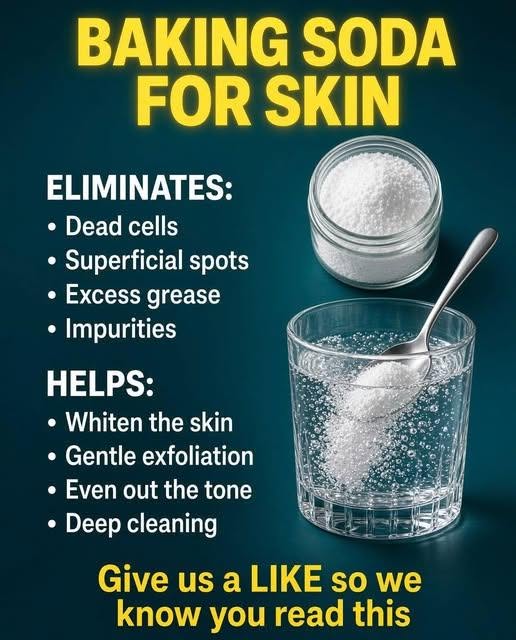
- Never use baking soda as a regular facial scrub.
- Choose fragrance-free skincare products if you have sensitive skin.
- Introduce only one new skincare ingredient at a time.
- Maintain a consistent skincare routine instead of trying multiple homemade treatments.
- Avoid picking or squeezing pimples.
- Remember that healthy skin does not need to be lighter to be beautiful.
8. Servings and Storage
- Servings: 1 application.
- Quantity: Enough for one thin facial application.
- Storage: Not recommended.
- Shelf life: Prepare fresh every time.
- Refrigeration: Do not store leftover mixtures for future use.
Because this recipe contains water and no preservatives, it is best prepared immediately before application and discarded after use.
9. Nutritional Information
This is a topical skincare recipe, not a food recipe. Therefore, conventional nutritional information is not applicable.
| Nutritional component | Information |
|---|---|
| Calories | Not applicable |
| Protein | Not applicable |
| Carbohydrates | Not applicable |
| Fat | Not applicable |
| Sugar | Not applicable |
| Fiber | Not applicable |
| Vitamins | Not measured |
| Minerals | Not measured |
10. Frequently Asked Questions (Q&A)
Q1. Can baking soda whiten the skin?
No. Baking soda is not a proven skin-whitening treatment. It can irritate the skin and disturb its natural protective barrier.
Q2. Does baking soda remove dark spots?
There is no reliable evidence that applying household baking soda removes pigmentation or dark spots. Persistent pigmentation should be evaluated by a dermatologist.
Q3. Can I apply baking soda directly to my face?
It is best to avoid using baking soda as a facial cleanser, scrub, or mask. Its alkaline nature can cause dryness and irritation.
Q4. Is oatmeal good for dry skin?
Colloidal oatmeal is a recognized skincare ingredient that can help soothe and moisturize dry skin.
Q5. Can I use this oatmeal mask every day?
Daily application is unnecessary. Start with occasional use and discontinue if your skin becomes irritated.
Q6. Is this recipe suitable for oily skin?
It may be tolerated by some people with oily skin, but it is not an oil-control treatment. Use a gentle cleanser and a lightweight, non-comedogenic moisturizer for everyday care.
Q7. Can this mask remove acne?
No. This mask is not an acne treatment. Persistent acne may require evidence-based skincare products or professional treatment.
Q8. Can I add lemon juice for extra glow?
No. Lemon juice can irritate the skin and increase the risk of skin reactions. It is better to keep this recipe simple.
Q9. Will this mask remove facial wrinkles?
No. It does not reverse wrinkles or stop skin aging. Regular sunscreen and suitable skincare products are better-supported approaches to maintaining healthy skin.
Q10. How long does it take to see results?
You may notice temporary softness after rinsing, but results vary. This mask does not provide permanent changes to skin colour, texture, or pigmentation.
11. Final Words
Healthy skincare is about protecting, moisturizing, and caring for your natural skin rather than trying harsh household ingredients.
Although baking soda is inexpensive and commonly available, it should not be promoted as a miracle facial treatment. It does not guarantee brighter skin, spotless skin, or deep pore cleansing.
This simple oatmeal recipe offers a gentler alternative for people who tolerate oats. Combine sensible skincare habits, regular moisturizing, sun protection, and professional advice when necessary.