
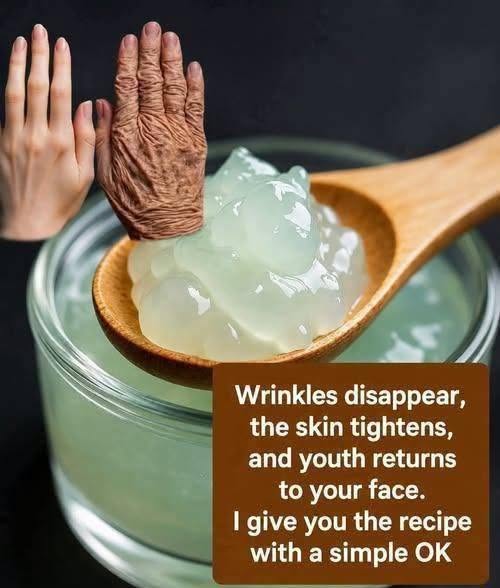
Aloe Vera & Cucumber Hydrating Face Gel
Description
Aloe Vera & Cucumber Hydrating Face Gel is a refreshing homemade skincare treatment made with soothing aloe vera gel and fresh cucumber. This lightweight gel is designed to leave the skin feeling cool, soft, and refreshed. Aloe vera helps moisturize the skin, while cucumber adds a cooling sensation that can be especially pleasant after a long day in warm weather.
This simple DIY skincare recipe uses only a few ingredients and takes minutes to prepare. It can be incorporated into a skincare routine as an occasional hydrating treatment. However, homemade mixtures containing fresh cucumber spoil quickly and are not preserved like commercially formulated skincare products.
Recipe Information
-
Preparation Time: 10 minutes
-
Setting Time: None
-
Total Time: 10 minutes
-
Servings: 2–3 applications
-
Category: Homemade skincare
-
Difficulty: Easy
-
Storage: Refrigerated; best prepared fresh
Ingredients
-
2 tablespoons pure aloe vera gel, preferably fragrance-free
-
2 tablespoons fresh cucumber juice
-
½ teaspoon vegetable glycerin, optional
-
2–3 drops vitamin E oil, optional
Important: Use commercially prepared aloe vera gel intended for skin application, or carefully prepared inner-leaf gel. Avoid the yellow latex found beneath the aloe leaf’s outer skin, as it can irritate the skin. Vitamin E oil is optional and may cause irritation or contact allergies in some people.
Instructions
Step 1: Prepare the Cucumber
Wash the cucumber thoroughly under running water. Peel it if desired, then grate or blend a small piece until smooth. Strain the mixture through a clean fine-mesh strainer to collect approximately two tablespoons of cucumber juice.
Step 2: Add the Aloe Vera Gel
Place the aloe vera gel in a clean glass bowl. Stir gently until it becomes smooth and easy to spread.
Step 3: Combine the Ingredients
Add the cucumber juice to the aloe vera gel. Mix thoroughly until the ingredients are evenly combined. If desired, add the vegetable glycerin for additional moisture.
Avoid adding too many ingredients, particularly fragrances or essential oils, because they may irritate sensitive skin.
Step 4: Check the Texture
The finished mixture should have a light, gel-like consistency. If it seems too watery, add a little more aloe vera gel. Do not add flour, starch, or other kitchen thickeners, as these are not formulated for facial skincare.
Step 5: Perform a Patch Test
Before applying the gel to your face, test a small amount on an inconspicuous area of skin, such as the inner forearm. Leave it on according to your intended use and monitor the area for irritation over the next 24–48 hours.
A patch test cannot guarantee that a reaction will not occur, but it can help identify some sensitivities.
Step 6: Apply to the Face
Cleanse your face with a gentle cleanser and pat dry. Apply a thin layer of the gel to the skin, avoiding the eyes, lips, broken skin, and irritated areas.
Leave it on for approximately 5–10 minutes, then rinse gently with lukewarm water. If your skin feels tight or dry afterward, apply a fragrance-free moisturizer.
Step 7: Store Safely
Because this recipe contains fresh cucumber juice and has no validated preservative system, prepare only enough for immediate use. Discard any leftovers rather than storing them for several days, even in the refrigerator.
Recipe Notes
-
Use clean utensils and a freshly washed bowl.
-
Choose aloe vera gel without added fragrance or unnecessary irritants.
-
Do not apply the mixture to sunburned, broken, or inflamed skin without appropriate medical advice.
-
Avoid getting the mixture into your eyes.
-
Do not assume that refrigeration makes a homemade cosmetic mixture safe for long-term storage.
-
Stop using the gel immediately if you experience burning, itching, redness, swelling, or a rash.
Tips for Best Results
-
Apply the gel to freshly cleansed skin.
-
Use a small amount to avoid an uncomfortable sticky feeling.
-
Keep the mixture away from direct sunlight and heat during preparation.
-
Avoid rubbing the skin aggressively when rinsing.
-
Follow with a suitable moisturizer if needed.
-
Use sunscreen during the day; this gel does not provide sun protection.
-
Avoid combining the gel with lemon juice, baking soda, or undiluted essential oils, which can irritate facial skin.
-
If you have eczema, rosacea, or very sensitive skin, consult a dermatologist before trying new homemade treatments.
Potential Skin Benefits
1. Temporary hydration: Aloe vera gel can help the skin feel moisturized, although the effect depends on the formulation and whether it is followed by a suitable moisturizer.
2. Cooling sensation: Cucumber juice provides a refreshing, cooling feeling when applied to the skin.
3. Softer skin feel: The gel may temporarily make the skin feel smoother and more comfortable.
4. Lightweight application: The water-based mixture feels lighter than many thick creams and ointments.
5. Simple skincare routine: The recipe is easy to prepare without complicated equipment.
These potential benefits should not be confused with proven treatments for acne, wrinkles, pigmentation, or other skin conditions. Evidence for fresh homemade cucumber mixtures is limited.
Frequently Asked Questions
1. Can I use aloe vera and cucumber gel every day?
Daily use is not necessary. Start with occasional application and monitor your skin for irritation. A well-formulated commercial moisturizer is generally more suitable for regular use.
2. Does this gel remove dark spots?
There is insufficient evidence that this homemade mixture reliably removes dark spots. Daily broad-spectrum sunscreen and evidence-based skincare ingredients are better-supported options for managing uneven pigmentation.
3. Can it remove wrinkles?
No. The gel may temporarily improve the feeling of dryness, but it has not been shown to eliminate wrinkles or reverse skin aging.
4. Is it suitable for oily skin?
It may feel lightweight, but suitability varies. Choose fragrance-free products and stop using the mixture if it causes irritation or breakouts.
5. Can I leave it on overnight?
For this fresh homemade mixture, rinsing it off after 5–10 minutes is the more cautious approach. Its stability and microbial safety have not been tested for prolonged application.
6. Can I store it in the refrigerator?
Refrigeration may keep the mixture cool, but it does not reliably prevent microbial growth. Prepare a fresh batch for each use and discard leftovers.
7. Can I use aloe vera straight from the plant?
Yes, but only if the clear inner gel is carefully separated from the yellow latex. Plant material can also be contaminated, and aloe may cause allergic reactions in some people. A commercially prepared, skin-safe gel is often more convenient.
8. Is this gel safe for sensitive skin?
Not necessarily. Aloe vera and other plant ingredients can cause contact reactions. Patch-test first, and avoid using it if you have a known allergy to any ingredient.
9. Can I add rose water?
Adding rose water is possible, but it introduces another ingredient that may contain fragrance or other potential irritants. It also does not solve the preservation problem.
10. Should I use it before or after moisturizer?
If you use the gel as a short treatment, rinse it off and apply moisturizer afterward. During the day, finish with broad-spectrum sunscreen of SPF 30 or higher.
Conclusion
Aloe Vera & Cucumber Hydrating Face Gel is a simple DIY treatment that can provide a refreshing sensation and temporary skin comfort. Its two main ingredients are easy to combine, but the mixture is not a substitute for a properly formulated moisturizer or sunscreen. Prepare it fresh, patch-test before use, and discard leftovers to reduce the risk of contamination. For persistent acne, dark spots, irritation, or other skin concerns, a dermatologist can recommend treatments with stronger evidence of effectiveness.