
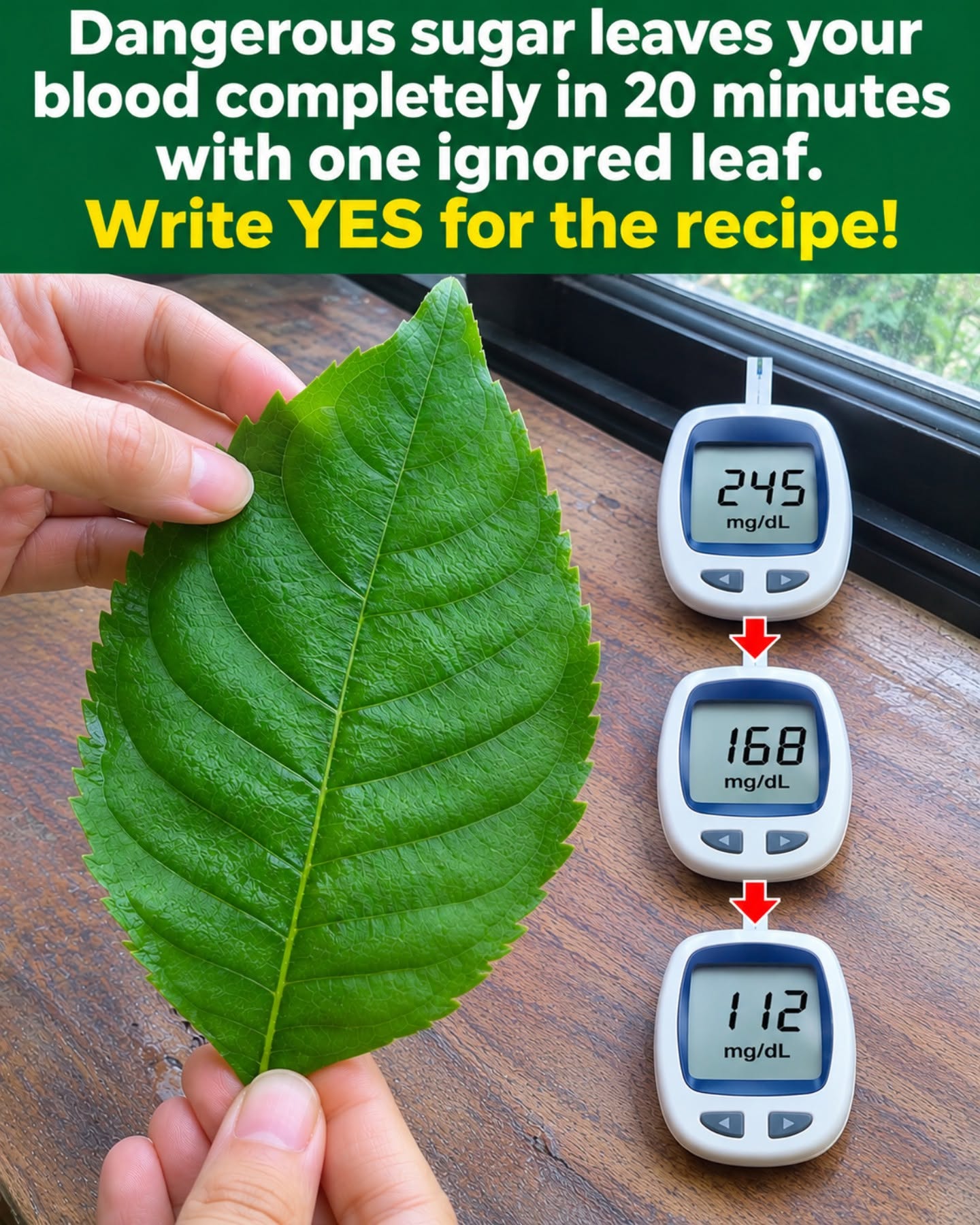
Mulberry Leaf Tea – Traditional Herbal Drink
A Simple Herbal Infusion with Antioxidants and Potential Blood Sugar Support
Description
Mulberry Leaf Tea is a traditional herbal drink prepared using fresh or dried mulberry leaves and hot water. Mulberry leaves come from the mulberry tree, commonly known for producing sweet, juicy berries.
The leaves have been traditionally used in various cultures to prepare herbal infusions. They contain naturally occurring plant compounds, including flavonoids and other antioxidants, that have attracted scientific interest.
Mulberry leaves are particularly interesting because some research has examined their potential effects on carbohydrate digestion and blood glucose levels. However, they are not a cure for diabetes, and drinking this tea has not been proven to lower blood sugar in 20 minutes.
This caffeine-free herbal infusion has a mild, earthy taste and can be enjoyed warm or chilled. With just a few simple ingredients, it is easy to prepare at home.
Preparation Time and Servings
-
Preparation Time: 5 minutes
-
Steeping Time: 5–10 minutes
-
Total Time: 15 minutes
-
Servings: 1–2 cups
-
Course: Herbal Drink
-
Difficulty: Easy
Ingredients
-
4–5 fresh, clean mulberry leaves or 1–2 teaspoons dried food-grade mulberry leaves
-
2 cups water
-
1 teaspoon fresh lemon juice (optional)
-
A small cinnamon stick (optional)
-
Sugar-free sweetener (optional)
Instructions
Step 1: Prepare the Mulberry Leaves
Choose clean, healthy mulberry leaves from a reliably identified, pesticide-free source.
Wash fresh leaves thoroughly under running water to remove dirt and debris.
If using dried leaves, make sure they are specifically sold for food or herbal tea preparation.
Step 2: Heat the Water
Pour 2 cups of fresh water into a small saucepan.
Bring the water to a gentle boil.
Step 3: Add the Leaves
Turn off the heat and add the prepared mulberry leaves to the hot water.
Cover the saucepan to help preserve the aroma and naturally occurring plant compounds.
Step 4: Allow the Tea to Steep
Let the leaves steep for approximately 5–10 minutes.
The water will develop a light greenish or golden color.
Step 5: Strain the Tea
Pour the infusion through a fine strainer into a cup.
Discard the leaves rather than eating unidentified or unprepared plant material.
Step 6: Add Optional Flavor
Add a little fresh lemon juice or a small cinnamon stick if desired.
Enjoy warm without added sugar.
Recipe Notes
-
Leaf identification: Make sure the leaves are genuinely from a mulberry tree. Do not consume unidentified leaves based on appearance alone.
-
Fresh or dried: Both can be used when properly sourced and intended for consumption.
-
Water temperature: Hot water is sufficient; prolonged boiling is unnecessary.
-
Flavor: Mulberry leaf tea has a mild, earthy, slightly herbal taste.
-
Sweetener: Avoid adding sugar if you want to keep the drink free of added sugar.
-
Storage: Freshly prepared tea is best enjoyed immediately.
Potential Benefits of Mulberry Leaves
1. Contains Antioxidants
Mulberry leaves contain flavonoids and other plant compounds that have antioxidant properties. Antioxidants help protect cells from oxidative stress.
2. May Support Healthy Blood Sugar Management
Mulberry leaves contain a compound called 1-deoxynojirimycin (DNJ). Research suggests that DNJ may inhibit certain enzymes involved in carbohydrate digestion, potentially reducing the rise in blood glucose after carbohydrate-containing meals.
However, the effect varies, and herbal tea should not replace prescribed diabetes treatment.
3. Contains Plant-Based Nutrients
Mulberry leaves naturally contain various plant compounds, including polyphenols and flavonoids.
4. Naturally Caffeine-Free
Pure mulberry leaf tea is naturally caffeine-free, making it an alternative to traditional caffeinated beverages.
5. Supports Hydration
Unsweetened herbal tea contributes to daily fluid intake.
Nutritional Information
APPROXIMATE PER CUP · UNSWEETENED INFUSION
| Nutrient | Amount |
|---|---|
| Calories | 0–5 kcal |
| Protein | Less than 1 g |
| Carbohydrates | Less than 1 g |
| Fat | 0 g |
| Sugar | 0 g |
| Fiber | Negligible |
Actual values depend on the leaves, preparation method, and steeping time.
Important Diabetes Precautions
Although mulberry leaves have been studied for possible blood sugar effects, the claim that they remove dangerous sugar from the blood in 20 minutes is not scientifically established.
-
Do not stop prescribed diabetes medication.
-
Herbal supplements and concentrated extracts may interact with diabetes medicines.
-
Combining glucose-lowering products could increase the risk of hypoglycemia.
-
Consult your healthcare professional before using mulberry leaf products regularly.
-
Monitor blood glucose according to your healthcare plan.
A blood glucose reading of 245 mg/dL is high. If a reading is unexpectedly high, recheck it according to your meter instructions and follow your diabetes care plan. Seek urgent medical help if high glucose is accompanied by vomiting, abdominal pain, difficulty breathing, confusion, or significant ketones.
Frequently Asked Questions
Q1: What is mulberry leaf tea?
It is an herbal infusion prepared from fresh or dried leaves of the mulberry tree.
Q2: Can mulberry leaf tea cure diabetes?
No. There is no scientific evidence that mulberry leaf tea cures diabetes.
Q3: Does it lower blood sugar in 20 minutes?
There is no reliable evidence supporting this claim. Some studies have investigated mulberry leaf compounds and their possible effects on post-meal glucose, but results do not establish a rapid 20-minute effect from homemade tea.
Q4: Can I drink it without sugar?
Yes. Unsweetened mulberry leaf tea is naturally very low in calories and carbohydrates.
Q5: Can I use dried mulberry leaves?
Yes. Use properly identified, food-grade dried leaves from a reputable supplier.
Q6: Can I drink it every day?
Safety of long-term daily use has not been adequately established for everyone. Discuss regular use with a healthcare professional, especially if you take medication.
Q7: Does mulberry leaf tea contain caffeine?
Pure mulberry leaf tea is naturally caffeine-free.
Q8: Can I drink it cold?
Yes. Allow it to cool, refrigerate promptly, and serve over ice without added sugar.
Q9: Can I add cinnamon or lemon?
Yes. Both can add flavor, although they do not turn the tea into a proven diabetes treatment.
Q10: What is the difference between mulberry leaves and mulberry fruit?
Mulberry fruit is sweet and edible, while the leaves are commonly used in traditional herbal preparations. They have different nutritional compositions and uses.
Final Thoughts
Mulberry Leaf Tea is a simple, caffeine-free herbal drink with a long history of traditional use. Its naturally occurring plant compounds, particularly DNJ and flavonoids, make it an interesting subject of nutritional research.
Enjoy it as an unsweetened herbal beverage rather than a treatment for diabetes. Healthy eating, regular physical activity, glucose monitoring, and appropriate medical treatment remain essential parts of blood sugar management.