
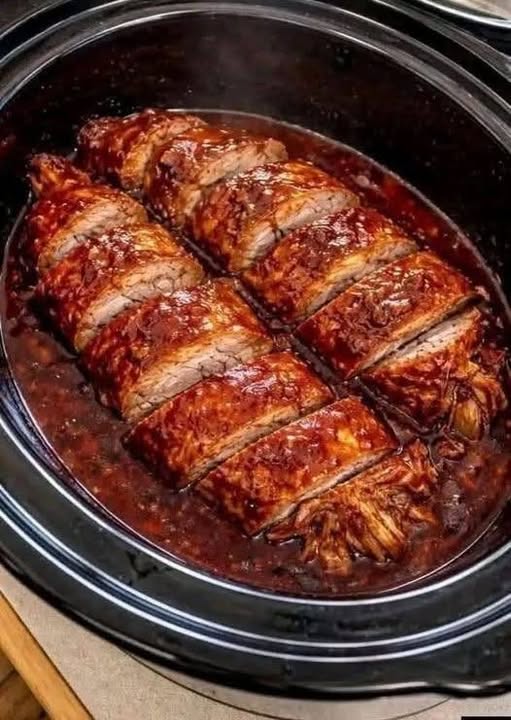
Slow Cooker BBQ Pork Tenderloin
Description
Slow Cooker BBQ Pork Tenderloin is a delicious, tender, and juicy meal made with pork tenderloin slowly cooked in a rich, smoky, and slightly sweet barbecue sauce. The slow cooker allows the pork to absorb the flavors of the sauce while cooking until it is easy to slice and serve.
This easy recipe is perfect for busy weeknights, family dinners, weekend gatherings, or meal preparation. With just a few simple ingredients and minimal preparation, you can enjoy a comforting homemade meal without spending hours in the kitchen.
Serve the pork with mashed potatoes, roasted vegetables, coleslaw, rice, or toasted sandwich buns for a satisfying dinner.
Recipe Information
-
Prep Time: 10 minutes
-
Cook Time: 4–5 hours on LOW or 2–3 hours on HIGH
-
Total Time: Approximately 4–5 hours on LOW
-
Servings: 4–6
-
Course: Main Course
-
Cooking Method: Slow Cooker
-
Difficulty: Easy
Ingredients
-
2 pork tenderloins, approximately 1–1½ pounds each
-
1½ cups barbecue sauce
-
¼ cup chicken broth
-
2 tablespoons brown sugar or honey
-
1 tablespoon Worcestershire sauce
-
3 cloves garlic, minced
-
1 teaspoon smoked paprika
-
½ teaspoon onion powder
-
½ teaspoon black pepper
-
½ teaspoon salt, or to taste
-
1 tablespoon apple cider vinegar, optional
-
1 small onion, thinly sliced, optional
Instructions
Step 1: Prepare the Pork
Pat the pork tenderloins dry with paper towels. Trim away any visible silver skin if necessary. Season the pork with salt, black pepper, smoked paprika, and onion powder.
Seasoning the pork before cooking helps build flavor throughout the dish.
Step 2: Prepare the BBQ Sauce
In a medium bowl, combine the barbecue sauce, chicken broth, brown sugar or honey, Worcestershire sauce, minced garlic, and apple cider vinegar if using.
Stir until the ingredients are evenly combined. Taste the sauce and adjust the sweetness or tanginess according to your preference.
Step 3: Prepare the Slow Cooker
Place the sliced onion in the bottom of the slow cooker if using. Arrange the pork tenderloins on top of the onions.
Pour the barbecue sauce mixture over the pork, turning the tenderloins gently to coat them.
Step 4: Cook the Pork
Cover the slow cooker with its lid and cook on LOW for approximately 4–5 hours or on HIGH for 2–3 hours.
Cooking times vary depending on the size and thickness of the tenderloins and the slow cooker model. Because pork tenderloin is lean, avoid cooking it for longer than necessary.
Check the thickest part of each tenderloin with a meat thermometer. Whole pork tenderloin is safely cooked at 145°F (63°C), followed by a rest of at least 3 minutes.
Step 5: Baste With the Sauce
During cooking, spoon some of the barbecue sauce over the pork if convenient. Keep the lid closed as much as possible to maintain a steady cooking temperature.
When the pork is cooked, carefully remove it from the slow cooker and let it rest on a cutting board for 5–10 minutes.
Step 6: Thicken the Sauce if Needed
If the sauce is thinner than you prefer, transfer it to a saucepan and simmer it gently until it reaches your desired consistency.
Alternatively, mix 1 tablespoon of cornstarch with 1 tablespoon of cold water, stir it into the hot sauce, and simmer until thickened. Avoid adding the slurry directly to the slow cooker without allowing sufficient time for it to cook and thicken.
Step 7: Slice and Serve
Slice the pork into medallions and arrange them on a serving platter. Spoon the warm barbecue sauce generously over the slices.
For a different serving style, shred the cooked pork with two forks and mix it with the sauce to make barbecue pork sandwiches.
Recipe Notes
-
Pork tenderloin is leaner and smaller than pork loin, so it cooks faster.
-
Choose your favorite barbecue sauce, whether smoky, sweet, spicy, or tangy.
-
Use low-sodium chicken broth if you want to reduce the sodium content.
-
Brown sugar and honey are optional; many barbecue sauces are already sweet.
-
Avoid adding too much liquid because pork releases moisture as it cooks.
-
Do not leave cooked pork sitting at room temperature for more than two hours.
Tips for the Best Results
-
Trim excess silver skin before cooking.
-
Coat the pork evenly with the barbecue sauce mixture.
-
Use a meat thermometer rather than relying only on cooking time.
-
Avoid overcooking to prevent dry, stringy pork.
-
Let the pork rest before slicing to help retain its juices.
-
For extra smoky flavor, use smoked paprika and a smoky barbecue sauce.
-
Reserve some sauce for serving, using a separate clean utensil.
-
Slice the pork against the grain for a more tender bite.
Serving Suggestions
Serve Slow Cooker BBQ Pork Tenderloin with:
-
Creamy mashed potatoes
-
Roasted potatoes or sweet potatoes
-
Steamed green beans or broccoli
-
Creamy coleslaw
-
Corn on the cob
-
Steamed rice
-
Macaroni and cheese
-
Toasted buns for barbecue pork sandwiches
For a balanced meal, pair the pork with a vegetable side and your preferred potato, rice, or whole-grain option.
Nutritional Information
Approximate nutrition per serving, assuming 6 servings and including some barbecue sauce.
-
Calories: 280–360 kcal
-
Protein: 32–40 g
-
Carbohydrates: 15–25 g
-
Fat: 6–12 g
-
Saturated Fat: 2–4 g
-
Sugar: 12–20 g
-
Sodium: 500–850 mg
Values vary depending on the pork size, barbecue sauce brand, and amount of sauce consumed.
Potential Benefits
High in protein: Pork tenderloin provides protein that supports muscle maintenance and tissue repair.
Contains important nutrients: Pork supplies nutrients such as vitamin B12, thiamin, zinc, and selenium.
Easy to prepare: Slow cooking requires little active preparation, making this recipe convenient for busy households.
Customizable sauce: You can choose a lower-sugar or reduced-sodium barbecue sauce to suit your dietary preferences.
Versatile leftovers: Leftover pork can be used in sandwiches, wraps, rice bowls, or salads.
Frequently Asked Questions
1. Can I use pork loin instead of pork tenderloin?
Yes, but pork loin is thicker and usually requires a different cooking time. Use a meat thermometer to determine when it is cooked safely.
2. Can I cook this recipe overnight?
It is generally better to cook pork tenderloin for the recommended time rather than leaving it in the slow cooker overnight, as prolonged cooking can dry out the meat.
3. Should I sear the pork first?
Searing is optional. It can add extra browned flavor, but you can place the seasoned pork directly into the slow cooker for easier preparation.
4. Can I make this recipe without brown sugar?
Yes. Omit the brown sugar or honey for a less-sweet sauce. Check the barbecue sauce label because it may already contain sugar.
5. How do I make the pork more flavorful?
Use a flavorful barbecue sauce, season the pork evenly, and add garlic, smoked paprika, and Worcestershire sauce.
6. Can I shred the pork instead of slicing it?
Yes, if the pork is tender enough to shred easily. Pork tenderloin is lean, however, and may not become as fall-apart tender as pork shoulder.
7. How should I store leftovers?
Refrigerate leftovers in an airtight container within two hours of cooking and use them within 3–4 days.
8. Can I freeze cooked BBQ pork?
Yes. Freeze the cooled pork with some sauce in a freezer-safe container for about 2–3 months for best quality. Thaw in the refrigerator before reheating.
9. How do I reheat the pork without drying it out?
Reheat it gently in a covered skillet with a little barbecue sauce or broth, or use a covered oven-safe dish until heated through.
10. What is the safest internal temperature for pork tenderloin?
Cook whole pork tenderloin to 145°F (63°C), then let it rest for at least 3 minutes before serving.
Conclusion
Slow Cooker BBQ Pork Tenderloin is a simple and satisfying meal featuring juicy pork and a rich barbecue glaze. With minimal preparation and a handful of pantry ingredients, you can create a comforting dinner for the whole family.
Cook the pork until it reaches a safe internal temperature, let it rest, and finish each serving with plenty of flavorful sauce. Whether served with mashed potatoes and vegetables or piled onto toasted buns, this easy recipe is a delicious addition to your regular dinner rotation.