
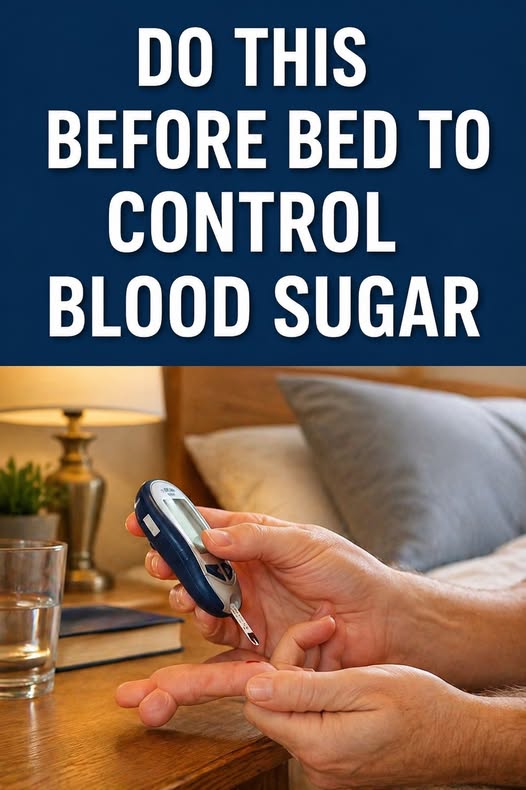
What To Do Before Bed to Help Control Blood Sugar
Managing blood sugar does not stop when the day ends. Your evening habits can influence overnight glucose levels and how your body responds to food the next morning. A consistent bedtime routine that includes balanced meals, gentle movement, proper hydration, and quality sleep may support healthier blood sugar management.
The goal is not to find a magical bedtime drink or a quick fix. Instead, focus on simple, sustainable habits that help your body maintain a healthy routine overnight.
1. Eat a Balanced Dinner
Try to eat dinner at a consistent time rather than having a very large meal right before bed.
Build a balanced dinner with:
-
Non-starchy vegetables such as broccoli, spinach, cauliflower, or green beans.
-
Lean protein such as chicken, fish, eggs, tofu, or beans.
-
High-fiber carbohydrates in appropriate portions, such as lentils, quinoa, or brown rice.
-
Healthy fats from olive oil, avocado, nuts, or seeds.
Protein, fiber, and healthy fats can slow digestion and help make meals more satisfying.
Helpful tip: Fill approximately half your plate with non-starchy vegetables, one-quarter with protein, and one-quarter with high-fiber carbohydrates.
2. Take a Gentle Walk After Dinner
A short walk after your evening meal can help your muscles use glucose for energy.
Try:
-
Walking for 10–15 minutes after dinner.
-
Moving at a comfortable pace.
-
Taking a gentle walk indoors if the weather is unsuitable.
You do not need intense exercise. Even light movement can support post-meal blood sugar management.
3. Avoid Sugary Late-Night Snacks
Sweet snacks, desserts, sugary drinks, and large portions of refined carbohydrates can raise blood glucose.
Instead of reaching for cookies, candy, or sweetened cereal, consider:
-
A small handful of unsalted almonds.
-
Plain Greek yogurt without added sugar.
-
A boiled egg.
-
A few slices of cucumber with hummus.
-
A small portion of cottage cheese.
Remember that even healthy foods contain carbohydrates or calories, so portion sizes still matter.
4. Drink Water Before Bed
Staying hydrated supports normal body functions. If you are thirsty in the evening, drink a glass of plain water.
Good choices include:
-
Plain water.
-
Unsweetened herbal tea.
-
Warm water with a slice of lemon.
Avoid sweetened teas, fruit juices, soft drinks, and sugary bedtime beverages.
Important: Drinking water does not directly lower blood sugar or replace diabetes medication. Avoid drinking excessive amounts immediately before bed if it disrupts your sleep.
5. Get Enough Quality Sleep
Poor sleep can affect hormones involved in appetite and blood glucose regulation. Regularly getting insufficient sleep may make blood sugar management more difficult.
Try these habits:
-
Aim for approximately 7–9 hours of sleep each night.
-
Go to bed and wake up at consistent times.
-
Keep your bedroom dark, quiet, and comfortable.
-
Avoid caffeine late in the day.
-
Reduce screen use before bedtime.
-
Avoid heavy meals immediately before sleeping.
A relaxing bedtime routine can make it easier to maintain a consistent sleep schedule.
6. Manage Evening Stress
Stress can trigger the release of hormones such as cortisol and adrenaline, which may increase blood glucose.
Before bed, try:
-
Five minutes of slow, comfortable breathing.
-
Gentle stretching.
-
Reading a relaxing book.
-
Listening to calming music.
-
Writing down tomorrow’s tasks to clear your mind.
These activities may help you relax and improve sleep quality.
7. Avoid Alcohol and Sugary Drinks
Alcohol can make blood sugar management less predictable. In people taking insulin or certain diabetes medications, it can increase the risk of delayed or overnight hypoglycemia (low blood sugar).
Sugary drinks can also raise glucose levels quickly.
Choose water or unsweetened drinks instead. If you have diabetes and drink alcohol, ask your healthcare professional about your individual risks.
8. Check Your Blood Sugar When Needed
If you monitor your glucose, follow the testing schedule recommended by your healthcare professional.
Evening or bedtime readings may be useful if:
-
You experience overnight low blood sugar.
-
Your morning readings are frequently high.
-
Your medication or insulin routine has changed.
-
You are feeling symptoms of high or low blood sugar.
A glucose meter or continuous glucose monitor can help reveal patterns over time.
If you use insulin or medication that can cause low blood sugar, do not skip prescribed bedtime snacks or change medication doses without professional guidance.
9. Follow Your Medication Schedule
Taking prescribed diabetes medication consistently is an important part of blood sugar management.
Before bed:
-
Check whether you have taken your prescribed evening medication.
-
Follow your healthcare professional’s instructions for insulin.
-
Do not double a missed dose unless specifically instructed.
-
Keep your glucose-monitoring equipment accessible if needed.
Never stop or adjust medication simply because your blood sugar reading looks normal.
10. Keep a Consistent Bedtime Routine
A regular routine can make healthy habits easier to maintain.
A simple evening routine
-
6:30–7:00 PM — Balanced dinner
Enjoy vegetables, protein, and an appropriate portion of high-fiber carbohydrates.
-
7:15 PM — Gentle movement
Take a comfortable 10–15-minute walk.
-
8:00 PM — Hydrate
Drink water or unsweetened herbal tea if thirsty.
-
8:30 PM — Relax
Read, stretch gently, or practice slow breathing.
-
9:00 PM — Prepare for sleep
Follow your medication and glucose-monitoring plan.
-
9:30–10:00 PM — Bedtime
Aim for a consistent sleep schedule that allows enough rest.
Times are examples. Adjust them to your own schedule and medical needs.
Foods to Limit Before Bed
If you are trying to maintain more stable blood sugar, consider limiting:
| Food or Drink | Why to Limit It |
|---|---|
| Sugary desserts | Can raise blood glucose |
| Sweetened cereal | Often contains added sugar |
| Regular soft drinks | Contain rapidly absorbed sugar |
| Fruit juice | Can deliver concentrated carbohydrates |
| Large portions of white bread | May raise glucose relatively quickly |
| Sweetened yogurt | Can contain considerable added sugar |
You do not need to completely eliminate every carbohydrate. The type, amount, and combination of foods matter.
Healthy Bedtime Snack Ideas
If you are hungry before bed and your meal plan allows a snack, try one of these balanced options:
-
Plain Greek yogurt with a few berries.
-
A boiled egg with cucumber slices.
-
A small handful of almonds or walnuts.
-
Cottage cheese with cinnamon.
-
Celery sticks with a little peanut butter.
A bedtime snack is not necessary for everyone. People using insulin or certain glucose-lowering medications should follow their individualized advice about preventing overnight low blood sugar.
Frequently Asked Questions
1. Does walking after dinner help control blood sugar?
Yes. Gentle walking after meals can help muscles use glucose and may reduce the post-meal blood sugar rise.
2. Is drinking lemon water before bed good for blood sugar?
Unsweetened lemon water can be a refreshing, low-sugar drink. However, there is not strong evidence that drinking it before bed independently lowers blood sugar.
3. Should I avoid carbohydrates at dinner?
Not necessarily. Choose fiber-rich carbohydrates, such as beans, lentils, and whole grains, and pay attention to portion sizes.
4. Can poor sleep affect blood sugar?
Yes. Insufficient or disrupted sleep can affect insulin sensitivity and hormones involved in glucose regulation.
5. Should everyone with diabetes eat a bedtime snack?
No. Whether a bedtime snack is appropriate depends on medication, glucose patterns, activity, and individual needs.
6. What should I do if my blood sugar is high before bed?
Follow your prescribed diabetes management plan. Do not take extra medication or insulin unless your treatment instructions specifically tell you to. Seek medical advice if high readings are persistent or accompanied by concerning symptoms.
7. Can cinnamon tea lower blood sugar overnight?
Cinnamon tea without added sugar can be enjoyed as a beverage, but there is insufficient reliable evidence that it controls overnight blood sugar. It should never replace prescribed treatment.
Important Health Reminder
These habits may support blood sugar management, but they do not cure diabetes or replace medical treatment. Blood glucose targets differ from person to person. If you regularly wake up with high or low readings, discuss the pattern with your healthcare professional. Repeated overnight lows deserve particular attention.
The most important bedtime habits
-
Eat a balanced evening meal.
-
Walk gently after dinner.
-
Avoid sugary late-night drinks and snacks.
-
Stay comfortably hydrated.
-
Manage stress and prioritize sleep.
-
Follow your prescribed medication and monitoring plan.
Conclusion
A healthy bedtime routine can be a valuable part of managing blood sugar. Small habits such as eating a balanced dinner, taking a short evening walk, choosing sensible snacks, managing stress, and getting enough sleep can support better overall glucose management.
Consistency matters more than perfection. Start with one or two manageable changes and build a routine that works with your lifestyle and medical care.