
Mango Leaf Tea Recipe: Traditional Herbal Drink for Wellness
Description
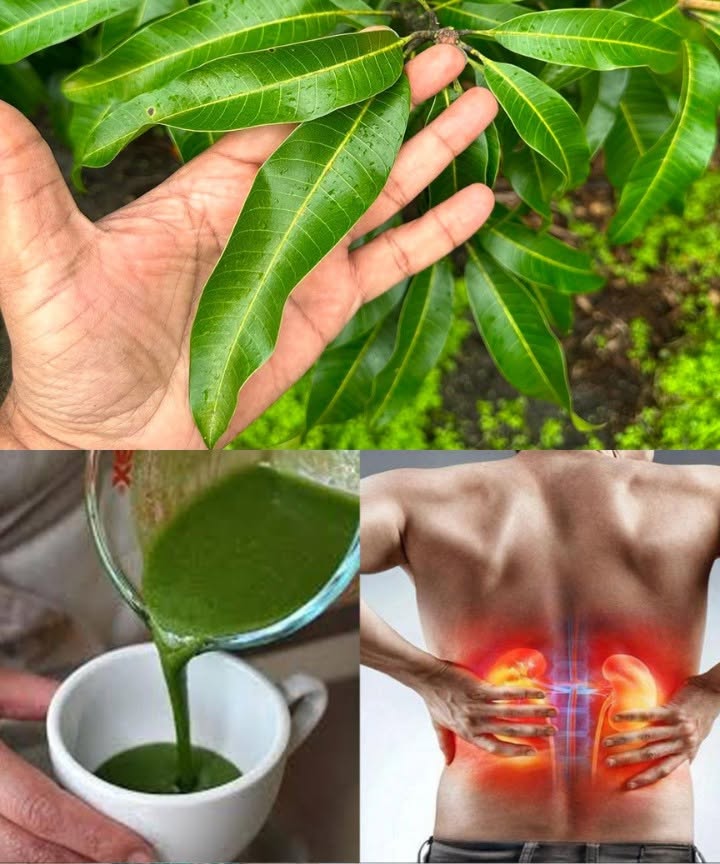
Mango Leaf Tea is a traditional herbal infusion made from fresh mango leaves and water. It has a mild, earthy, plant-like flavor and is prepared in some cultures as part of traditional wellness practices. The image shows fresh green mango leaves, a green liquid being poured into a cup, and an illustration of the kidneys, suggesting that the drink is intended to support kidney health.
Mango leaves contain naturally occurring plant compounds, including polyphenols and mangiferin, that have attracted scientific interest because of their antioxidant activity. However, research on these compounds does not establish that homemade mango leaf tea can cleanse the kidneys, dissolve kidney stones, or treat kidney disease. The drink should therefore be considered a traditional herbal preparation rather than a proven medical remedy.
This recipe provides a simple preparation method, practical notes, and safety guidance for anyone interested in learning about mango leaf tea.
Recipe Information
-
Prep Time: 5 minutes
-
Cook Time: 10 minutes
-
Total Time: 15 minutes
-
Yield: Approximately 2 cups before evaporation
-
Servings: 1–2
-
Category: Herbal infusion
-
Main Ingredient: Mango leaves
-
Difficulty: Easy
Ingredients
-
2–3 fresh, correctly identified mango leaves
-
2 cups (480 ml) clean drinking water
Optional additions for flavor, such as lemon or honey, are not necessary. Because the safe medicinal dosage of mango leaf tea has not been established, adding more leaves or making a highly concentrated brew is not recommended.
Instructions
Step 1: Choose the Mango Leaves
Select healthy-looking leaves from a mango tree that has not been treated with pesticides or exposed to road pollution. Avoid leaves that are moldy, damaged, or contaminated.
Correct plant identification is important. Do not use leaves from an unfamiliar tree simply because they resemble mango leaves.
Step 2: Wash the Leaves
Rinse the leaves thoroughly under clean running water to remove dust and surface dirt. Pat them dry with a clean kitchen towel.
Washing reduces surface debris but does not guarantee the removal of pesticides or other chemical contaminants. If the tree’s treatment history is unknown, do not use its leaves for a drink.
Step 3: Heat the Water
Pour two cups of drinking water into a small saucepan. Place it over medium heat and bring the water to a boil.
Use a clean saucepan and utensils to maintain good food hygiene.
Step 4: Add the Leaves
Reduce the heat and add the washed mango leaves to the hot water. Allow the mixture to simmer gently for approximately five minutes.
This is a traditional preparation approach, not a clinically validated method for extracting a therapeutic dose of active compounds. Longer boiling or adding extra leaves does not necessarily make the drink safer or more beneficial.
Step 5: Remove From the Heat
Turn off the stove and allow the infusion to cool slightly. Do not drink it while it is extremely hot.
Step 6: Strain the Tea
Pour the liquid through a clean fine-mesh strainer into a heat-safe cup. Discard the leaves rather than chewing or eating them.
Step 7: Serve Carefully
The drink can be served warm if you have confirmed with a healthcare professional that consuming mango leaf tea is appropriate for you. There is no established safe or effective amount for medicinal use, so this recipe should not be interpreted as a recommended daily treatment.
Recipe Notes
-
Fresh leaves: Use only correctly identified, clean leaves from an uncontaminated source.
-
Water quality: Use safe drinking water.
-
Concentration: Avoid strong, concentrated preparations and herbal extracts.
-
Storage: Freshly prepared tea is preferable to keeping it for extended periods. Refrigerate promptly if it must be stored, and discard it if its appearance or smell changes.
-
Flavor: Mango leaf tea may taste earthy or slightly bitter.
-
Sweeteners: Honey adds sugar and is unnecessary for preparation.
-
Medicines: Ask a pharmacist or healthcare professional about possible interactions before using mango leaf preparations medicinally.
Tips for Safe Preparation
-
Confirm the plant’s identity before using any leaves.
-
Avoid leaves from trees sprayed with pesticides.
-
Wash your hands and kitchen equipment before preparation.
-
Do not mix the tea with other medicinal herbs without professional guidance.
-
Avoid using the drink to replace prescribed medication.
-
Do not assume that natural ingredients are automatically safe.
-
Stop consuming it if you develop an unexpected reaction and seek medical advice if symptoms are significant.
People with kidney disease, liver disease, diabetes, or other chronic conditions should seek medical advice before using mango leaf tea medicinally. The same caution applies during pregnancy and breastfeeding, because safety information is limited.
Potential Benefits of Mango Leaf Tea
1. Contains Plant Compounds
Mango leaves contain polyphenols and other compounds that have been investigated in laboratory studies. These findings are scientifically interesting, but the effects of a homemade infusion in humans remain uncertain.
2. Provides a Caffeine-Free Herbal Option
An infusion prepared only with mango leaves and water does not naturally contain caffeine. However, being caffeine-free does not establish that it is safe for everyone.
3. Offers a Traditional Herbal Experience
Some people enjoy exploring traditional plant preparations as part of their cultural practices. It is reasonable to be curious about such drinks while maintaining realistic expectations about their effects.
4. Encourages Attention to Wellness
Preparing a simple drink can be part of a broader routine that includes balanced nutrition, appropriate hydration, physical activity, and regular healthcare.
Important limitation: There is insufficient clinical evidence that mango leaf tea improves kidney function, removes toxins, dissolves kidney stones, treats urinary infections, or controls blood sugar in humans. It should not be promoted as a cure or a substitute for medical treatment.
Nutritional Information
Reliable nutritional information for homemade mango leaf tea is not well established. The drink is generally prepared without substantial food ingredients, but its exact composition depends on the leaves, preparation method, and extraction conditions.
For a plain infusion:
-
Calories: Likely very low
-
Protein: Negligible
-
Fat: Negligible
-
Carbohydrates: Not reliably established
-
Caffeine: None naturally present in mango leaves
Adding honey or sugar increases the calorie and carbohydrate content. These estimates do not measure the concentration of plant compounds in the drink.
Kidney Health: Important Facts
The kidneys filter waste from the blood, regulate fluid and electrolyte balance, and help control blood pressure. Healthy kidneys do not require a special herbal cleanse.
Practical ways to support kidney health include drinking an appropriate amount of fluid, managing blood pressure and blood glucose, avoiding unnecessary use of potentially harmful medicines, and following medical advice about diet and fluid intake.
People with advanced kidney disease may need specific fluid or potassium restrictions. Drinking more water or consuming herbal drinks is not always appropriate for everyone.
Seek urgent medical attention if you experience severe pain in your side or back with fever, repeated vomiting, blood in your urine, or difficulty passing urine. These symptoms may indicate a condition requiring prompt assessment.
Frequently Asked Questions
1. Can mango leaf tea cleanse the kidneys?
There is no reliable clinical evidence that it cleanses the kidneys or removes toxins from the body.
2. Can it dissolve kidney stones?
No established evidence shows that mango leaf tea dissolves kidney stones. Treatment depends on the type, size, and location of the stone.
3. Can I drink it every day?
A safe daily medicinal dose has not been established. Consult a healthcare professional before regular consumption, especially if you take medicines or have an ongoing health condition.
4. Is mango leaf tea suitable for people with diabetes?
Its safety and effects on blood glucose are not sufficiently established. It should not replace prescribed diabetes medication, and people taking glucose-lowering medicines should consult their clinician before trying it.
5. Can it treat a urinary tract infection?
No. Suspected urinary infections require appropriate medical evaluation and, when indicated, treatment. Herbal tea is not a substitute.
6. Can pregnant or breastfeeding people drink it?
Safety information is insufficient, so medicinal use should be avoided unless specifically approved by a qualified healthcare professional.
7. What should I do if I develop a reaction?
Stop drinking the infusion. Seek medical advice for unexpected symptoms, and obtain emergency assistance if you experience difficulty breathing, facial swelling, or another severe reaction.
Conclusion
Mango leaf tea is a simple traditional herbal infusion prepared with mango leaves and water. Its plant compounds have attracted scientific interest, but claims that the drink repairs kidneys, removes kidney stones, or detoxifies the body are not supported by sufficient clinical evidence.
If you are curious about mango leaf tea, prioritize plant identification, ingredient safety, and professional advice before medicinal use. For kidney health, proven preventive care and timely medical assessment remain far more important than relying on an unverified herbal remedy.