
Onion: Health Benefits, Nutrition, and Everyday Uses
Description
Onions are a flavorful and nutritious vegetable used in kitchens around the world. They add natural sweetness, aroma, and depth to soups, curries, salads, sauces, and countless other dishes. Red, white, and yellow onions all provide beneficial plant compounds, including antioxidants and sulfur-containing compounds.
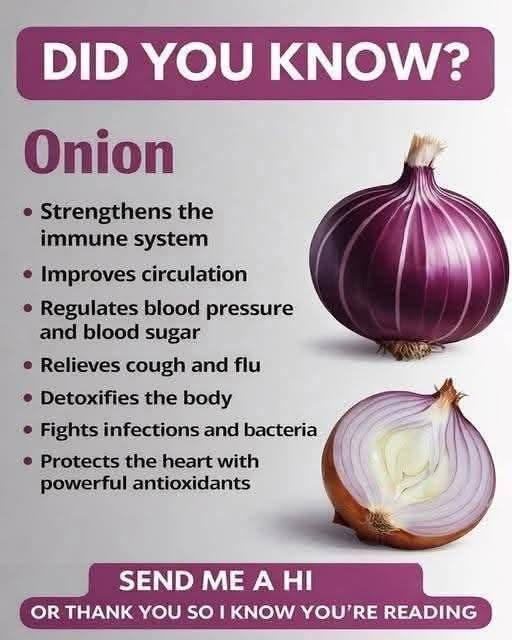
Onions can contribute to a balanced diet, but claims that they detoxify the body, cure infections, or treat coughs and flu should be viewed cautiously. The body relies primarily on the liver and kidneys to process and eliminate waste. Onions are best enjoyed as part of a varied, nutritious eating pattern rather than as a replacement for medical treatment.
Nutrition Information
Onions provide several nutrients and plant compounds, including:
-
Vitamin C: Supports normal immune function and collagen formation.
-
Vitamin B6: Helps the body carry out normal metabolic processes.
-
Folate: Supports cell division and normal tissue growth.
-
Potassium: Helps maintain normal muscle and nerve function.
-
Dietary fiber: Supports digestive health.
-
Quercetin: A plant flavonoid with antioxidant properties.
-
Sulfur-containing compounds: Contribute to onions’ distinctive aroma and flavor.
Potential Health Benefits of Onions
1. Supports normal immune function
Onions contain vitamin C and other plant compounds that contribute to a healthy diet. However, eating onions does not guarantee protection against infections.
2. Provides antioxidant compounds
Quercetin and other compounds in onions help protect cells from oxidative damage in laboratory studies. The extent of their effects in humans depends on several factors, including overall diet and individual health.
3. Supports heart health
Onions can be part of a heart-friendly eating pattern rich in vegetables, fruits, whole grains, and legumes. Some onion compounds have been studied for their possible effects on cardiovascular health, but onions should not be relied upon to treat heart disease.
4. May contribute to healthy blood pressure
Onions contain potassium and plant compounds that may be relevant to cardiovascular health. However, eating onions alone has not been established as a reliable treatment for high blood pressure.
5. Supports digestive health
Onions contain prebiotic fibers, including fructans, that can nourish certain beneficial gut bacteria. Some people, particularly those sensitive to FODMAPs, may experience gas, bloating, or abdominal discomfort after eating them.
6. May support balanced blood sugar management
Onions contain relatively few calories and can be included in balanced meals. Preliminary research has explored the effects of onion compounds on blood glucose, but onions are not a proven treatment for diabetes and should not replace prescribed medication.
7. Adds flavor without many calories
Fresh onions provide substantial flavor with relatively few calories. Using onions, herbs, and spices can help make nutritious meals more enjoyable without relying heavily on added salt or sugar.
8. May soothe the throat as part of a meal
Warm soups containing onions may feel soothing when you have a sore throat. However, there is insufficient evidence that onions themselves cure coughs, colds, or influenza.
Simple Ways to Include Onions in Your Diet
-
Add sliced onions to salads and sandwiches.
-
Cook onions into soups, stews, and vegetable curries.
-
Roast onion wedges with carrots and cauliflower.
-
Mix chopped onions into omelets or scrambled eggs.
-
Add onions to lentils, beans, and whole-grain dishes.
-
Prepare homemade salsa with onions, tomatoes, and lemon juice.
-
Use sautéed onions as a flavorful base for sauces.
Frequently Asked Questions
1. Are raw onions healthier than cooked onions?
Both can be nutritious. Raw onions retain some heat-sensitive nutrients, while cooking softens their texture and changes their flavor. Enjoy whichever form suits you best.
2. Can onions lower blood pressure?
Onions contain nutrients and plant compounds associated with cardiovascular health, but they cannot reliably lower high blood pressure on their own. Follow your healthcare professional’s treatment advice.
3. Do onions help control blood sugar?
They can fit into a balanced diet for people managing blood sugar. However, there is not enough evidence to recommend onions as a treatment for diabetes.
4. Do onions detoxify the body?
There is no good evidence that onions remove toxins from the body. The liver and kidneys perform the body’s primary waste-processing functions.
5. Can onions cure a cough or flu?
No. Onions have not been proven to cure coughs or influenza. Rest, fluids, and appropriate medical care are more reliable approaches.
6. Are red onions better than white onions?
Both are nutritious. Red onions are often particularly rich in certain anthocyanin pigments, while the precise nutrient content varies with the variety and growing conditions.
7. Can eating onions cause digestive problems?
Yes. Their fructans can cause gas and bloating in some people. Smaller portions or cooked onions may be easier to tolerate, depending on individual sensitivity.
Conclusion
Onions are an affordable, versatile vegetable that provides fiber, vitamins, and beneficial plant compounds. They can support a nutritious eating pattern and add flavor to everyday meals. Although onions are associated with several potential health benefits, they do not detoxify the body or cure infections, and they should not replace prescribed treatments for blood pressure, diabetes, or other medical conditions. Enjoy onions regularly in meals that include a variety of vegetables, fruits, whole grains, and protein-rich foods.