
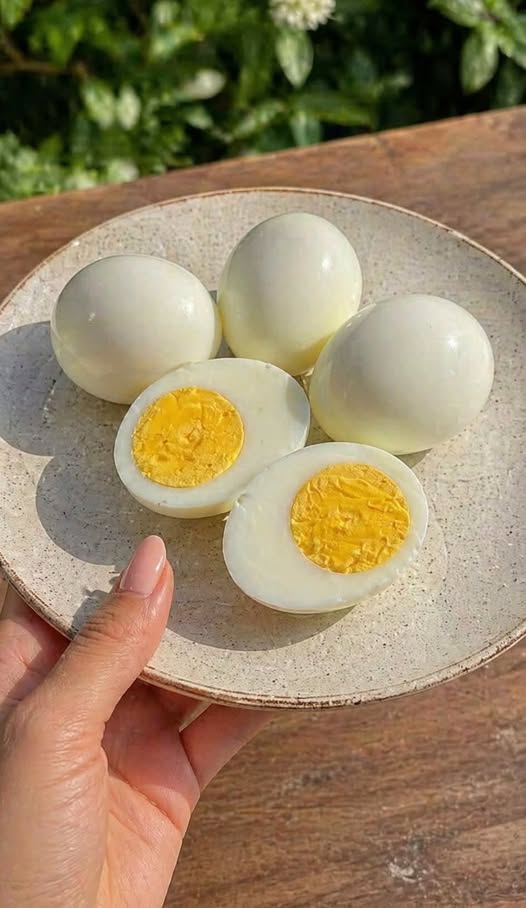
Perfect Hard-Boiled Eggs (Easy, Foolproof Method)
Description
Perfect Hard-Boiled Eggs are simple to prepare, nutritious, and incredibly versatile. With firm egg whites and creamy, fully set yolks, they make an excellent choice for breakfast, snacks, salads, sandwiches, and meal preparation. The secret to consistently delicious hard-boiled eggs is using the right cooking time, cooling the eggs immediately in an ice bath, and peeling them carefully.
This easy method requires only eggs, water, and ice. You do not need special equipment or complicated techniques to achieve reliable results. Whether you are preparing a quick breakfast for your family or cooking eggs for the week, this foolproof method helps you make hard-boiled eggs with a tender texture and no unpleasant green ring around the yolks.
Recipe Information
-
Preparation Time: 5 minutes
-
Cooking Time: 10–12 minutes
-
Cooling Time: 5–10 minutes
-
Total Time: Approximately 20–25 minutes
-
Servings: 6
-
Course: Breakfast, snack, or side dish
-
Cooking Method: Stovetop
-
Difficulty: Easy
Ingredients
-
6 large eggs
-
Water, enough to cover the eggs by approximately 1 inch
-
Ice cubes, for the ice bath
-
Cold water, for cooling
Optional seasonings for serving:
-
Salt, to taste
-
Black pepper, to taste
-
Paprika, optional
-
Fresh chopped parsley, optional
Instructions
Step 1: Arrange the Eggs in a Saucepan
Place the eggs in a single layer in a medium saucepan. Avoid stacking them because they may cook unevenly or crack more easily when moving around.
Add enough cold water to cover the eggs by approximately 1 inch.
Step 2: Bring the Water to a Boil
Place the saucepan over medium-high heat and bring the water to a full boil. Once the water reaches a rolling boil, turn off the heat and cover the saucepan with a lid.
This method uses the residual heat of the hot water to cook the eggs gently.
Step 3: Let the Eggs Cook
Leave the covered saucepan on the stovetop and allow the eggs to sit in the hot water.
Use these approximate times as a guide:
-
8–9 minutes for a mostly set yolk with a slightly creamy center
-
10–12 minutes for a fully set yolk
-
13 minutes for a firmer, drier yolk
For classic hard-boiled eggs, approximately 10–12 minutes is a good starting point. The exact timing depends on egg size, starting temperature, water volume, and how quickly the water cools.
Step 4: Prepare an Ice Bath
While the eggs cook, fill a large bowl with cold water and plenty of ice cubes.
The ice bath stops the cooking process quickly and helps prevent the yolks from becoming overcooked.
Step 5: Cool the Eggs
Using a slotted spoon, carefully transfer the eggs from the hot water into the ice bath.
Leave them in the cold water for 5–10 minutes, adding more ice if needed. Cooling the eggs thoroughly also makes them easier to handle and often helps with peeling.
Step 6: Peel the Eggs
Tap each egg gently against a hard surface to crack the shell. Roll it lightly to create additional small cracks.
Begin peeling from the wider end, where an air pocket is often present. Peeling under a gentle stream of water can help remove stubborn shell fragments.
If an egg is difficult to peel, try loosening the membrane beneath the shell before removing the remaining pieces.
Step 7: Slice and Serve
Cut the eggs in half lengthwise or into slices. Sprinkle with salt, black pepper, or paprika if desired.
Serve immediately, add them to your favorite recipe, or refrigerate them for later use.
Recipe Notes
-
Egg freshness: Very fresh eggs can be harder to peel. Eggs that have been refrigerated for several days may peel more easily.
-
Egg size: Large eggs are used for this recipe. Extra-large eggs may need additional cooking time.
-
Starting temperature: Refrigerated eggs may cook differently from eggs brought to room temperature.
-
Green ring: A green-gray ring around the yolk usually develops when eggs are overcooked or cooled too slowly. It is generally harmless, but reducing the cooking time and cooling eggs promptly can help prevent it.
-
Cracked shells: Handle eggs gently when placing them in the saucepan.
-
Altitude: At higher elevations, water boils at a lower temperature, so cooking times may need adjustment.
Tips for Perfect Hard-Boiled Eggs
-
Keep eggs in a single layer while cooking.
-
Cover them completely with water before heating.
-
Use a timer to achieve consistent results.
-
Avoid cooking the eggs for much longer than necessary.
-
Prepare the ice bath before the eggs finish cooking.
-
Cool the eggs immediately after cooking.
-
Peel the eggs gently to avoid tearing the whites.
-
Use a sharp knife to cut clean halves.
-
For neat slices, wipe the knife between cuts.
-
If preparing eggs for the week, leave the shells on until you are ready to eat them.
Serving Suggestions
Perfect hard-boiled eggs can be enjoyed in many different ways.
-
Serve with whole-grain toast and fresh fruit for breakfast.
-
Slice over a green salad with cucumber and tomatoes.
-
Mash with a little mayonnaise or plain yogurt for egg salad.
-
Add chopped eggs to sandwiches or wraps.
-
Sprinkle with paprika, black pepper, and fresh herbs.
-
Serve alongside roasted vegetables or baked potatoes.
-
Prepare deviled eggs for parties and family gatherings.
-
Add sliced eggs to rice bowls or noodle salads.
For a quick snack, enjoy one or two eggs with fresh vegetables or a piece of fruit.
Storage Instructions
Refrigerating unpeeled eggs: Store hard-boiled eggs in their shells in the refrigerator for up to one week.
Refrigerating peeled eggs: Place peeled eggs in an airtight container and refrigerate. For the best quality, use them within a few days.
Food safety: Refrigerate cooked eggs within two hours of cooking, or within one hour if the surrounding temperature is above 90°F (32°C). Keep the refrigerator at 40°F (4°C) or below.
Freezing: Freezing whole hard-boiled eggs is not recommended because the whites become tough and watery. The yolks can be frozen separately, although their texture may change.
Nutritional Information
Approximate nutrition per large hard-boiled egg, without added seasoning:
-
Calories: 78
-
Protein: 6.3 g
-
Total Fat: 5.3 g
-
Saturated Fat: 1.6 g
-
Carbohydrates: 0.6 g
-
Sugar: 0.6 g
-
Cholesterol: 186 mg
-
Sodium: 62 mg
Approximate nutrition for one serving of two eggs:
-
Calories: 156
-
Protein: 12.6 g
-
Total Fat: 10.6 g
-
Carbohydrates: 1.2 g
Values vary according to egg size.
Benefits of Hard-Boiled Eggs
1. High-quality protein: Eggs contain complete protein with all nine essential amino acids, supporting muscle maintenance and tissue repair.
2. Supports fullness: The combination of protein and fat can help make a meal or snack satisfying.
3. Provides vitamin B12: This vitamin supports normal nerve function and red blood cell formation.
4. Contains choline: Choline is important for normal brain function, cell membranes, and other bodily processes.
5. Provides selenium: Eggs contain selenium, a mineral involved in antioxidant defenses and normal thyroid function.
6. Contains lutein and zeaxanthin: These compounds are found in egg yolks and contribute to normal eye health.
7. Convenient and versatile: Hard-boiled eggs are portable, easy to prepare ahead of time, and suitable for many different meals.
Eggs can fit into a balanced diet. Individual dietary needs vary, particularly for people managing cholesterol levels or following specific medical nutrition advice.
Frequently Asked Questions
1. How long should I boil eggs for hard-boiled yolks?
Using the covered, off-heat method, allow large eggs to sit in freshly boiling water for approximately 10–12 minutes. Adjust as needed for your saucepan and egg size.
2. Should I start eggs in cold or boiling water?
This recipe starts eggs in cold water and brings everything to a boil together. Another reliable approach is to lower eggs carefully into already boiling water and simmer them for a timed period. Choose one method and keep the timing consistent.
3. Why are my hard-boiled eggs difficult to peel?
Very fresh eggs can be harder to peel. Cooling them in an ice bath and peeling from the wider end may help.
4. Why do egg yolks turn green?
A green-gray ring can form when sulfur compounds in the egg white react with iron in the yolk during prolonged cooking. It is generally harmless, but shorter cooking and rapid cooling help prevent it.
5. How can I tell if an egg is fully cooked?
Peel and cut one egg to check whether the yolk is firm throughout. For food safety, cook eggs until both the white and yolk are firm.
6. Can I prepare hard-boiled eggs ahead of time?
Yes. They are excellent for meal preparation. Refrigerate them promptly and keep them in their shells until needed for the best storage quality.
7. Are hard-boiled eggs healthy for breakfast?
They provide protein and several essential nutrients. Pairing them with whole grains, vegetables, or fruit creates a more varied breakfast.
8. Can I cook more than six eggs at once?
Yes, provided they fit in a single layer in a suitably sized saucepan and are covered with water. Larger batches may require adjustments to timing.
9. Can I use hard-boiled eggs for egg salad?
Absolutely. Chop the cooled eggs and mix them with mayonnaise or plain yogurt, mustard, pepper, and any preferred herbs or vegetables.
10. How long can hard-boiled eggs stay outside the refrigerator?
Generally, no longer than two hours, or one hour in temperatures above 90°F (32°C). Refrigerate leftovers promptly.
Conclusion
Perfect Hard-Boiled Eggs are an easy, affordable, and nutritious addition to everyday meals. With a simple cooking method, careful timing, and an immediate ice bath, you can achieve firm whites and fully set yolks without overcooking. Enjoy them for breakfast, as a quick snack, in salads, or in sandwiches. Once you find the timing that works best for your eggs and saucepan, this foolproof method can become a dependable kitchen staple.
1 thought on “Perfect Hard-Boiled Eggs”