
Plectranthus amboinicus Herbal Tea – Fresh Cuban Oregano Tea Recipe
Description
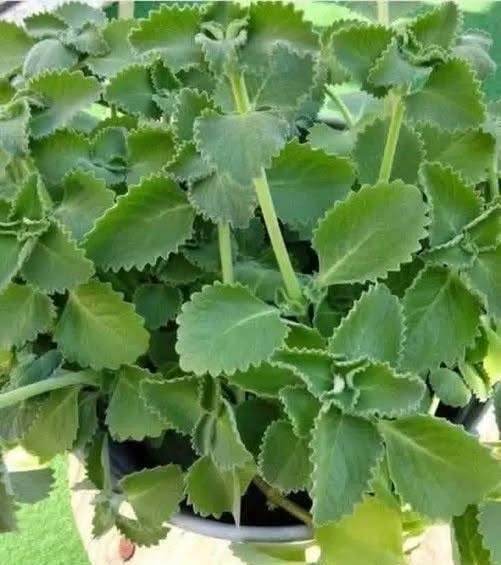
Plectranthus amboinicus Herbal Tea is a fragrant homemade herbal infusion prepared using the fresh leaves of Plectranthus amboinicus, commonly known as Cuban oregano, Indian borage, Mexican mint, or Indian mint.
This aromatic plant has thick, soft leaves with a strong oregano-like fragrance and a slightly minty flavor. When steeped in hot water, the leaves create a comforting herbal drink that can be enjoyed warm with lemon and a little honey.
The tea is easy to prepare using just a few ingredients. Traditionally, the leaves have been used in various cultures for home herbal preparations. However, traditional uses do not establish that the tea treats infections, coughs, digestive problems, or other medical conditions.
Recipe Information
-
Prep Time: 5 minutes
-
Steeping Time: 7–10 minutes
-
Total Time: 12–15 minutes
-
Servings: 2 cups
-
Course: Herbal Beverage
-
Cuisine: Traditional Herbal Drink
-
Difficulty: Easy
Ingredients
-
4–5 fresh Plectranthus amboinicus leaves
-
2 cups (480 ml) water
-
1 teaspoon honey, optional
-
1 teaspoon fresh lemon juice, optional
-
1 small slice fresh ginger, optional
Instructions
Step 1: Select and Wash the Leaves
Choose 4–5 fresh, healthy leaves from a correctly identified Plectranthus amboinicus plant.
Rinse them thoroughly under cool running water to remove dust and dirt. Gently pat dry with a clean kitchen towel.
Step 2: Prepare the Water
Pour 2 cups of water into a small saucepan. Place it over medium heat and bring it to a gentle boil.
Step 3: Add the Herbal Leaves
Lightly crush or tear the leaves with clean hands to release their natural aroma.
Add them to the boiling water. If you enjoy a slightly warming flavor, add the optional slice of fresh ginger.
Step 4: Simmer Gently
Reduce the heat and let the leaves simmer gently for approximately 2–3 minutes.
Turn off the heat, cover the saucepan, and allow the leaves to steep for another 5–7 minutes.
Step 5: Strain the Tea
Pour the infusion through a fine-mesh strainer into two cups. Discard the used leaves.
Step 6: Add Lemon and Honey
Allow the tea to cool slightly before adding lemon juice and honey, if desired.
Stir well and serve warm.
Notes
-
Correct plant identification: Only use leaves positively identified as Plectranthus amboinicus and obtained from a food-safe source.
-
Start with a small quantity: The leaves have a strong flavor, so a few are enough for a mild infusion.
-
Use clean leaves: Wash thoroughly before preparation.
-
Adjust steeping time: A longer steep produces a stronger, more intense herbal flavor.
-
Honey is optional: The tea can be enjoyed without sweetener.
-
Fresh is best: Prepare a fresh batch rather than storing it for several days.
-
Avoid excessive consumption: There is limited reliable information about the safety of regularly drinking concentrated Plectranthus amboinicus tea.
Tips for the Best Results
1. Choose fresh leaves. Select green, healthy leaves without spots, mold, or signs of damage.
2. Do not overboil. Gentle simmering followed by covered steeping helps preserve the pleasant herbal aroma.
3. Crush the leaves lightly. This releases their fragrance without requiring a large quantity.
4. Add lemon for freshness. A little lemon juice balances the strong herbal flavor.
5. Use honey sparingly. A small amount can soften the earthy taste without making the drink overly sweet.
6. Serve warm. Allow the tea to cool to a comfortable drinking temperature before enjoying it.
Nutritional Information
Estimated nutrition per serving, assuming two servings and no honey:
-
Calories: 0–5
-
Protein: Less than 1 g
-
Carbohydrates: Less than 1 g
-
Fat: 0 g
-
Sugar: 0 g
-
Fiber: Negligible in strained tea
Nutritional values are approximate. Adding honey will increase calories and carbohydrates.
Potential Benefits
1. Provides a Caffeine-Free Beverage
This herbal infusion contains no tea leaves from the traditional tea plant, so it is naturally caffeine-free when prepared with only the listed ingredients.
2. Contains Naturally Occurring Plant Compounds
Plectranthus amboinicus leaves contain aromatic compounds and other plant chemicals that have been investigated in laboratory research. However, laboratory findings do not prove that drinking the tea produces the same effects in people.
3. Supports Fluid Intake
The water used to prepare the tea contributes to daily fluid intake and can be an enjoyable alternative to sweetened beverages.
4. Offers a Fragrant Herbal Experience
Its distinctive aroma and flavor make it a pleasant option for people who enjoy traditional herbal drinks.
5. Can Be Prepared Without Added Sugar
The basic recipe contains no added sugar. This makes it an option for people who prefer unsweetened beverages.
Important: This tea is not proven to detoxify the body, cure respiratory infections, lower blood sugar, regulate blood pressure, or treat any medical condition. It should not replace prescribed medication or professional medical care.
Frequently Asked Questions
1. What is Plectranthus amboinicus?
It is an aromatic herb commonly called Cuban oregano, Indian borage, Mexican mint, or Indian mint. Its thick, soft leaves have a strong herbal fragrance.
2. Is Plectranthus amboinicus tea caffeine-free?
Yes. A tea made only from these leaves and water is naturally caffeine-free.
3. Can I drink this tea every day?
There is insufficient reliable human research to establish a safe daily amount for regular consumption. Occasional culinary use is different from taking concentrated herbal preparations. Ask a healthcare professional before making it a daily habit.
4. Can I use dried leaves instead of fresh leaves?
Fresh leaves are preferred for this recipe. Dried leaves may be used if they are food-grade and correctly identified, but the amount and flavor will differ.
5. Can I add ginger and lemon?
Yes. Ginger and lemon are optional additions that complement the herb’s strong flavor.
6. Is this tea good for coughs and colds?
The leaves have traditional uses in some cultures, but there is not enough reliable clinical evidence to say that drinking this tea treats coughs, colds, or respiratory infections.
7. Can people with diabetes drink it?
The plain, unsweetened infusion contains very little carbohydrate. However, the safety and effects of regular or concentrated consumption have not been adequately studied. Honey adds sugar, so consider omitting it if monitoring carbohydrate intake.
8. Can I drink it before bedtime?
Because it is caffeine-free, it may be enjoyed in the evening. However, drinking a large amount immediately before bed may increase nighttime bathroom visits.
9. Can I store leftover tea?
It is best enjoyed freshly prepared. If necessary, refrigerate leftover tea in a clean, covered container and consume it within 24 hours. Discard it if its smell or appearance changes.
10. Who should avoid this herbal tea?
People with known allergies to the plant should avoid it. Pregnant or breastfeeding individuals, children, and people taking regular medication or managing chronic health conditions should consult a healthcare professional before using it medicinally.
Conclusion
Plectranthus amboinicus Herbal Tea is a simple, aromatic drink made by steeping fresh Cuban oregano leaves in hot water. Its distinctive herbal flavor pairs nicely with lemon, ginger, and a little honey.
Enjoy it as an occasional caffeine-free beverage, using correctly identified, clean leaves. While the plant has a history of traditional use, its medicinal benefits and long-term safety as a regular tea have not been established by sufficient human research.